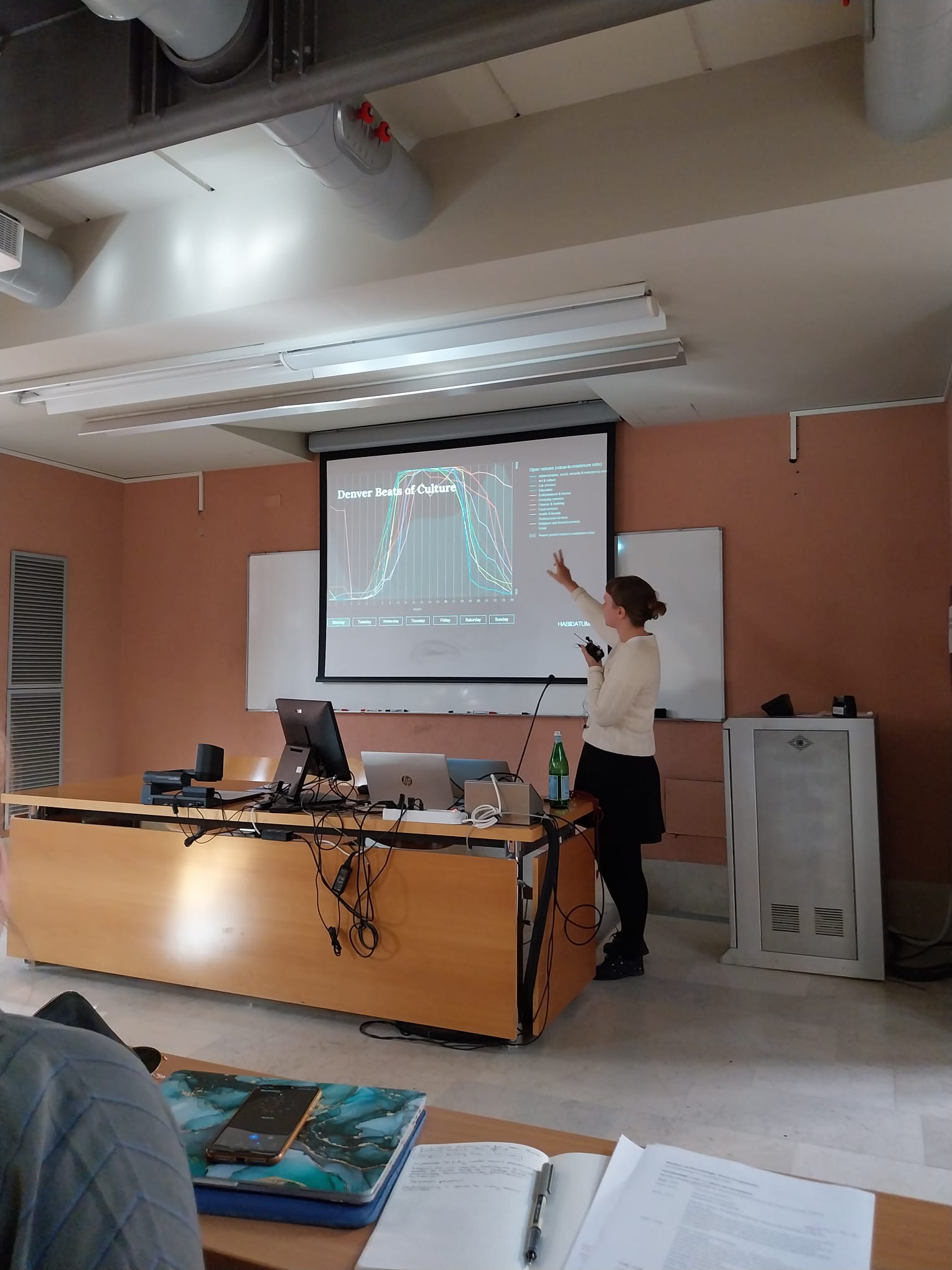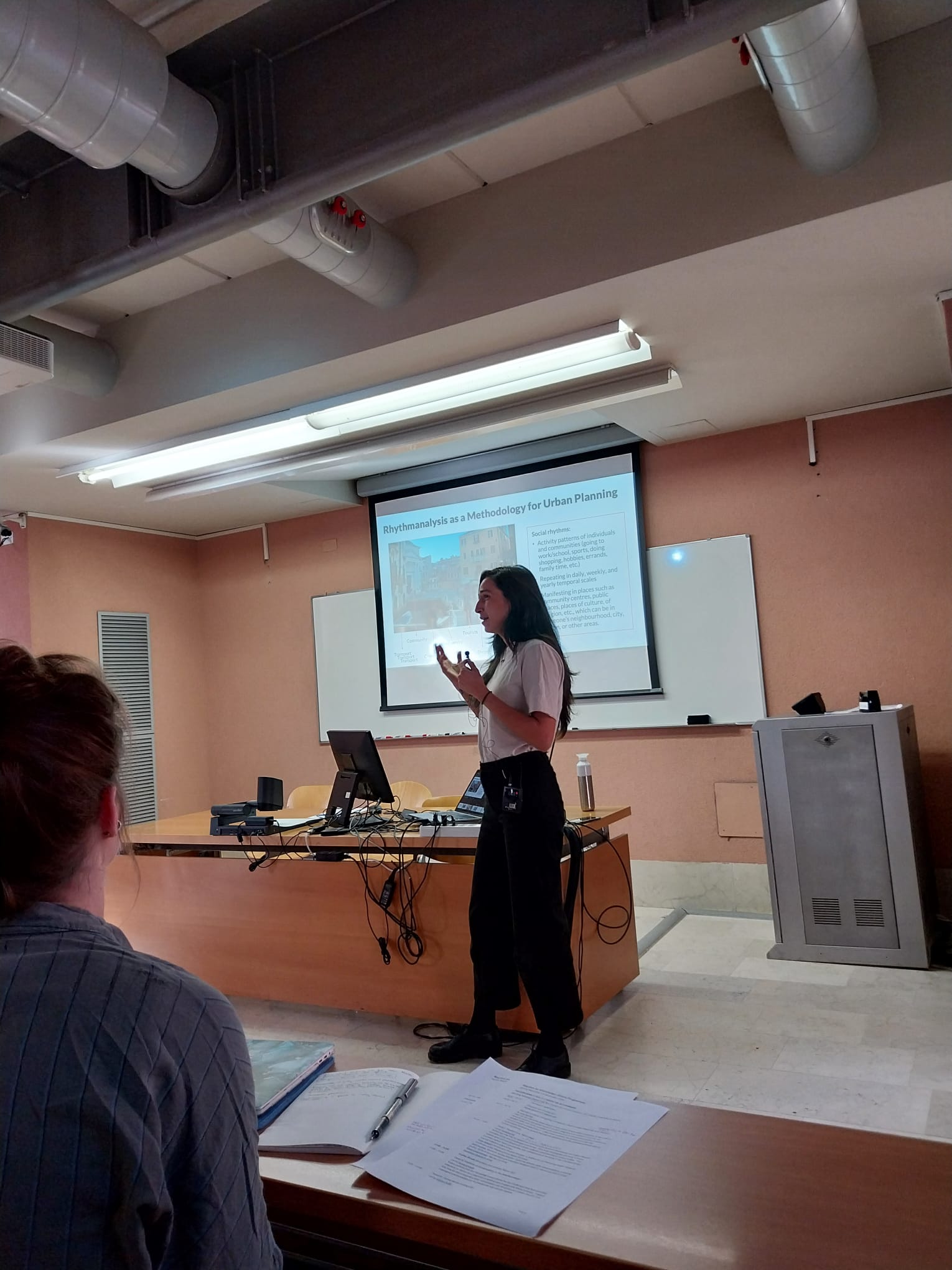

“The insights shared today opened new perspectives on the relationship between rhythm, technology, and knowledge, highlighting the importance of an interdisciplinary approach to the complex world of the phenomena we study.”
A special acknowledgement goes to Nicola Camatti and Raffaella Lioce (Ca’ Foscari University of Venice), creators of the concept “the rhythm of life as a lens to interpret sustainable and regenerative eco-tourism” and main organisers of the event and its overall thematic structure. Their vision—bringing together research, environmental perception, and territorial regeneration—strongly shaped and inspired the entire programme, contributing significantly to the success of the event and its interdisciplinary concept.
Welcome & Introduction
The event opened with a welcome by Satinder Gill (University of Cambridge), a researcher at the Centre for Music and Science. Her work explores the role of rhythm in human communication and the ways technology can amplify or transform social and sensory interaction.
Learn more about Satinder Gill
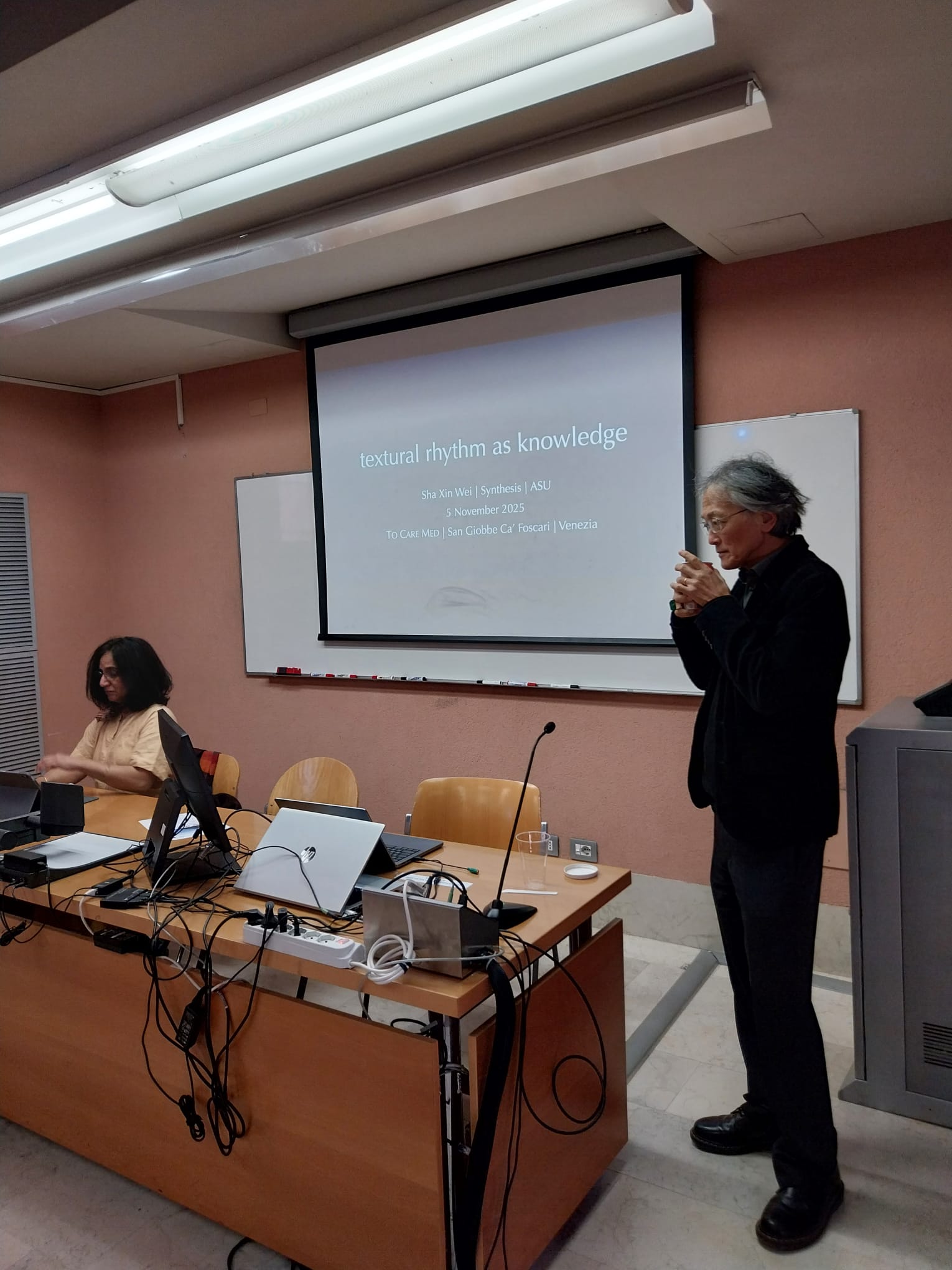
Keynote Lecture – Textual Rhythm of Knowledge
The keynote lecture was delivered by Sha Xin Wei (Arizona State University), professor at the School of Arts, Media + Engineering, internationally renowned for his interactive installations and responsive environments that integrate gesture, movement, voice, and environmental context.
His talk covered profound topics such as data perception, the meaning of being, sensation, and rhythm as a form of knowledge. Sha reminded us how limited our understanding of the phenomena we study remains, and how rhythm can become a language connecting, numbers, emotions, and lived reality.
Learn more about Sha Xin Wei
Panel Discussion – Rhythm and Technology & Rhythms of Sustainability
The panel examined how rhythm permeates technological and artistic processes, serving as a bridge between the body, space, and machine, with contributions from researchers and practitioners in design, technology, and performance.
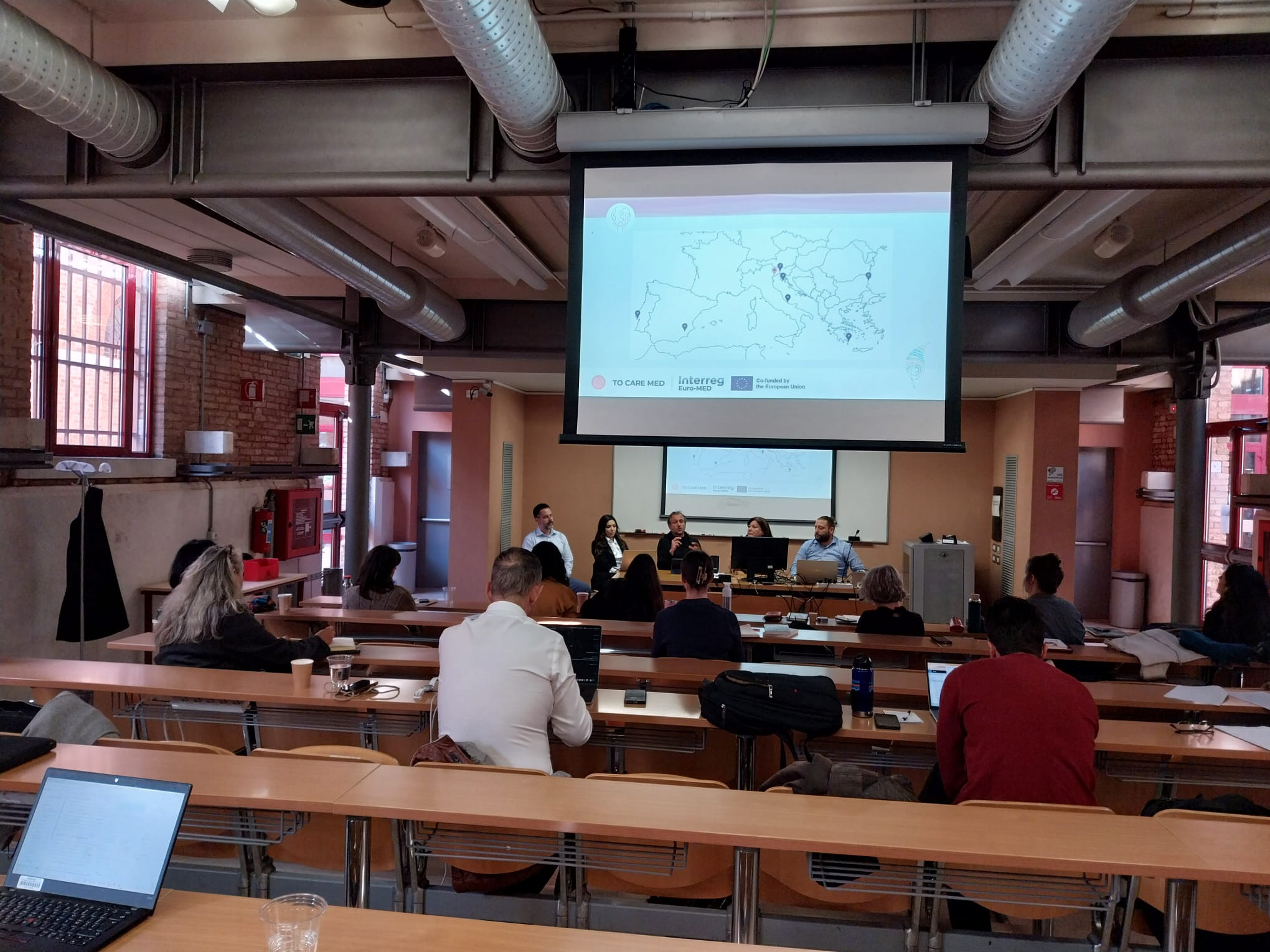
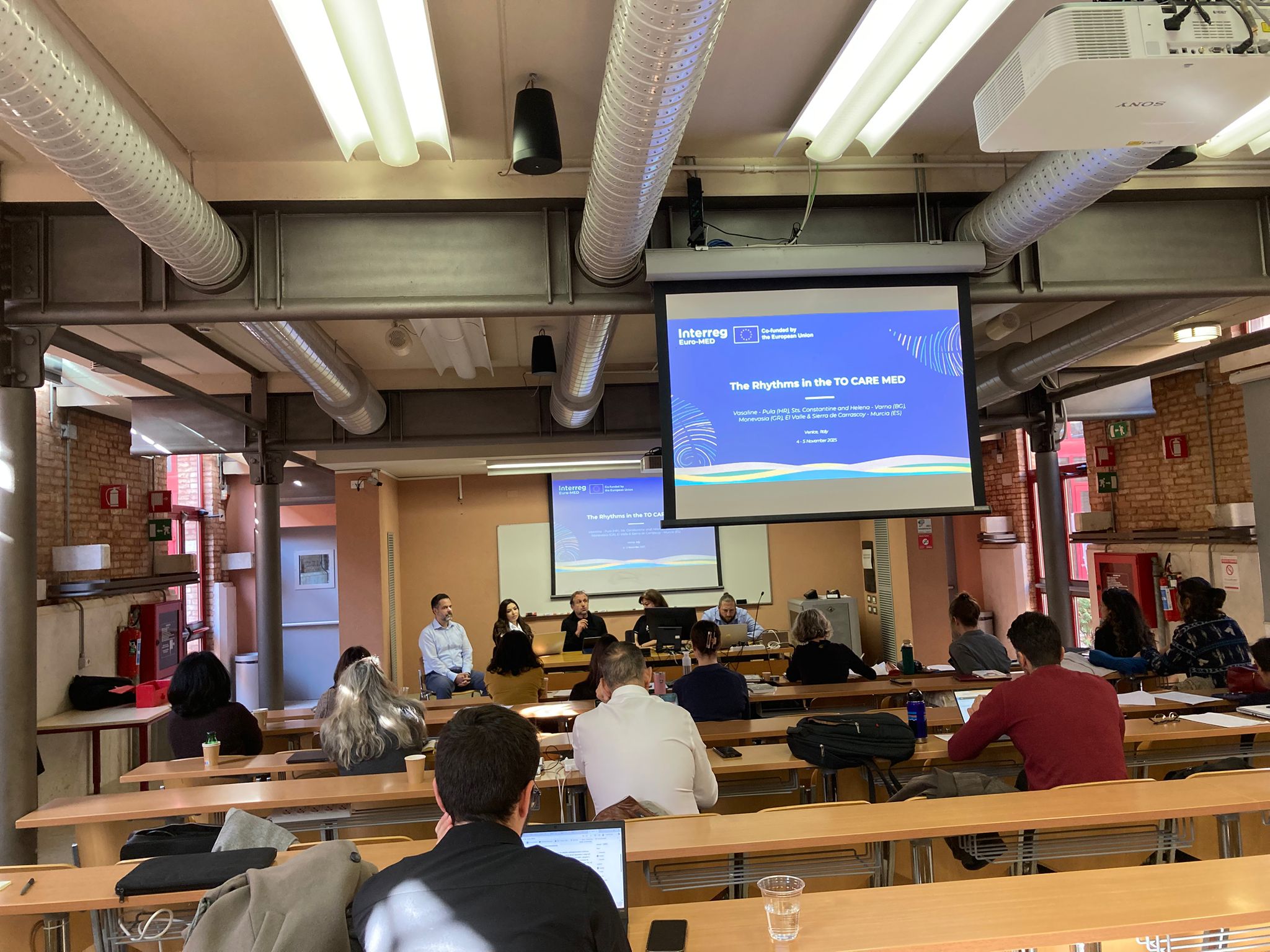
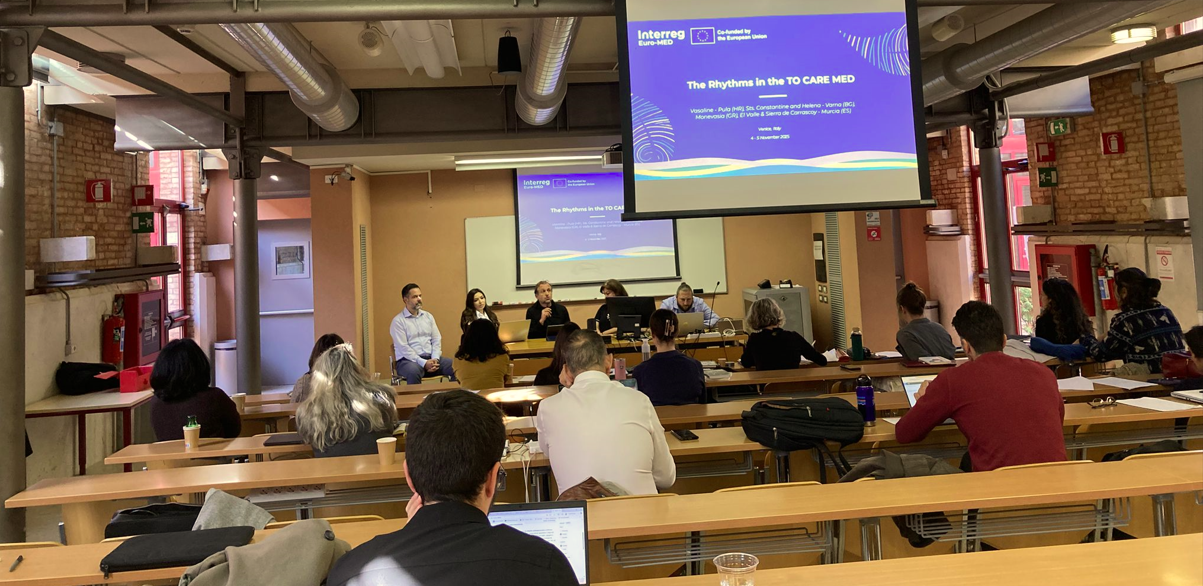
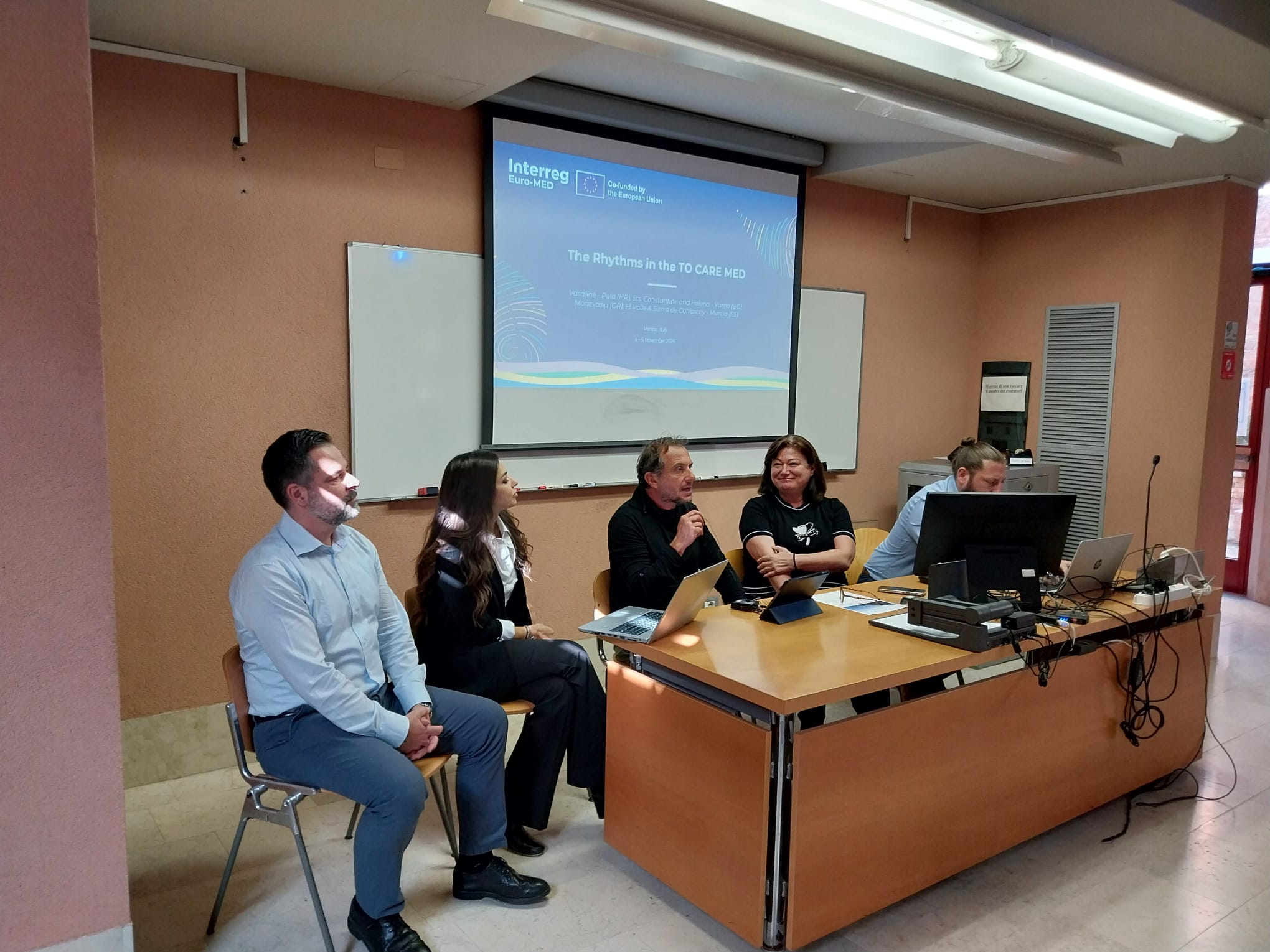
A key moment was the transnational panel “Regenerative Tourism Rhythms in the Mediterranean Region”, coordinated by Ca’ Foscari University of Venice as part of the TO CARE MED project, co-financed by the Interreg Euro-MED Programme. The panel addressed tourism sustainability and carrying capacity across six EU countries, examining how urban sounds and environmental rhythms shape everyday life in pilot destinations.
We highlighted the TO CARE MED project objectives:
The application and dissemination of the Tourism Carrying Capacity Limit (TCCL) tool to manage tourist flows within sustainable limits.
- Promotion of a regenerative tourism model that protects and enhances the natural and cultural resources of Mediterranean destinations.
- Development of a “cascade” training model to help local authorities adapt project tools and methodologies to their specific territorial realities.
The session concluded with a 5-minute Q&A, encouraging dialogue on applying these principles locally.
“These rhythms capture the essence of each place — a heritage that deserves to be preserved for future generations. We also tackled the pressing issue of over-tourism: the lack of capacity to manage tourist flows sustainably in ecotourism destinations can generate negative environmental and socio-economic impacts. Addressing this challenge is central to achieving a truly regenerative tourism model.”
Panel – Venice as “The Living Lab”
The second panel explored Venice as a living laboratory, demonstrating how urban rhythms and sustainable practices influence innovation, environmental response, and daily life.
Rhythm Masterclasses
The day concluded with two educational sessions:
-
Rhythm Masterclass I: Meanings and Methods, focused on foundational concepts and approaches.
-
Rhythm Masterclass II: Mark Making and Affect, exploring rhythm as an artistic and cognitive language through perceptual and affective dimensions.
PHOTO GALLERY