
Across the Mediterranean, ecotourism destinations are facing a delicate balancing act: welcoming visitors while protecting fragile ecosystems and safeguarding local well-being. The TO CARE MED project was created to address this challenge head-on, offering destinations a smarter, more sustainable way to manage tourism pressure without compromising their natural and cultural heritage.
One of the project’s pilot areas is El Valle & Sierra de Carrascoy, a vast protected landscape that serves as the main green lung of the surrounding metropolitan area. Covering over 16,700 hectares, this natural park is part of the Natura 2000 network, underlining its high ecological value and the need for careful management.
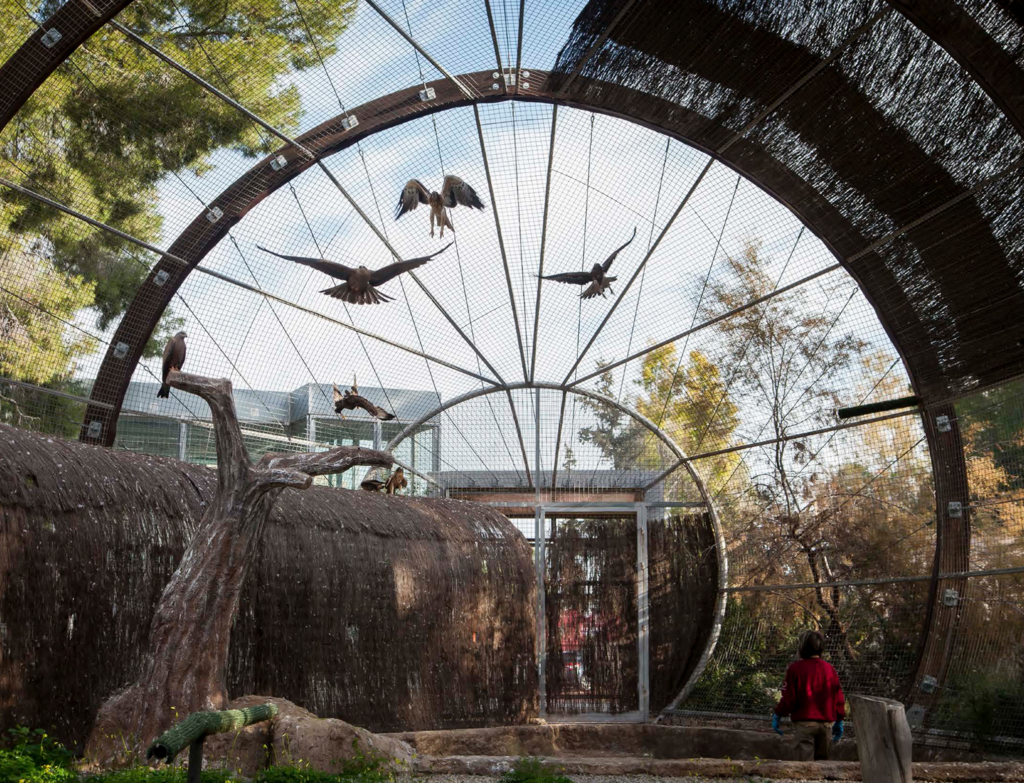
Characterised by rugged mountains, pine forests, cliffs, caves, and natural springs, the area hosts Mediterranean scrublands and unique geological formations. Its biodiversity is equally remarkable: the park is designated as a Special Protection Area for Birds (ZEPA) and is home to numerous native plant and animal species, including 16 catalogued protected plant species. Archaeological remains and traditional rural structures scattered throughout the landscape add cultural depth to its natural appeal.
Despite its popularity for hiking, mountain biking, nature walks, and rock climbing, El Valle & Sierra de Carrascoy has no permanent residents and cannot be urbanised. A small recurring workforce—estimated at around 50 to 60 people—supports visitor centres, a hostel, maintenance services, and fire and rescue operations. This unique context makes the area both highly attractive and particularly sensitive to tourism pressure.
Why El Valle & Sierra de Carrascoy?
The decision to select this protected area as a pilot site was driven by a clear objective: to ensure that tourism redirected toward natural spaces is managed responsibly, ecologically, and sustainably. With facilities such as the El Majal Blanco Visitor Centre, which offers interactive learning experiences about the area’s ecological and cultural values, the park already plays an educational role—one that aligns perfectly with the principles of TO CARE MED.
Working Together Through Destination Working Groups
A key pillar of the project is the establishment of Destination Working Groups (DWGs). These groups act as the main platform for collaboration at the local level, bringing together public authorities, tourism operators, environmental organisations, community representatives, and experts.
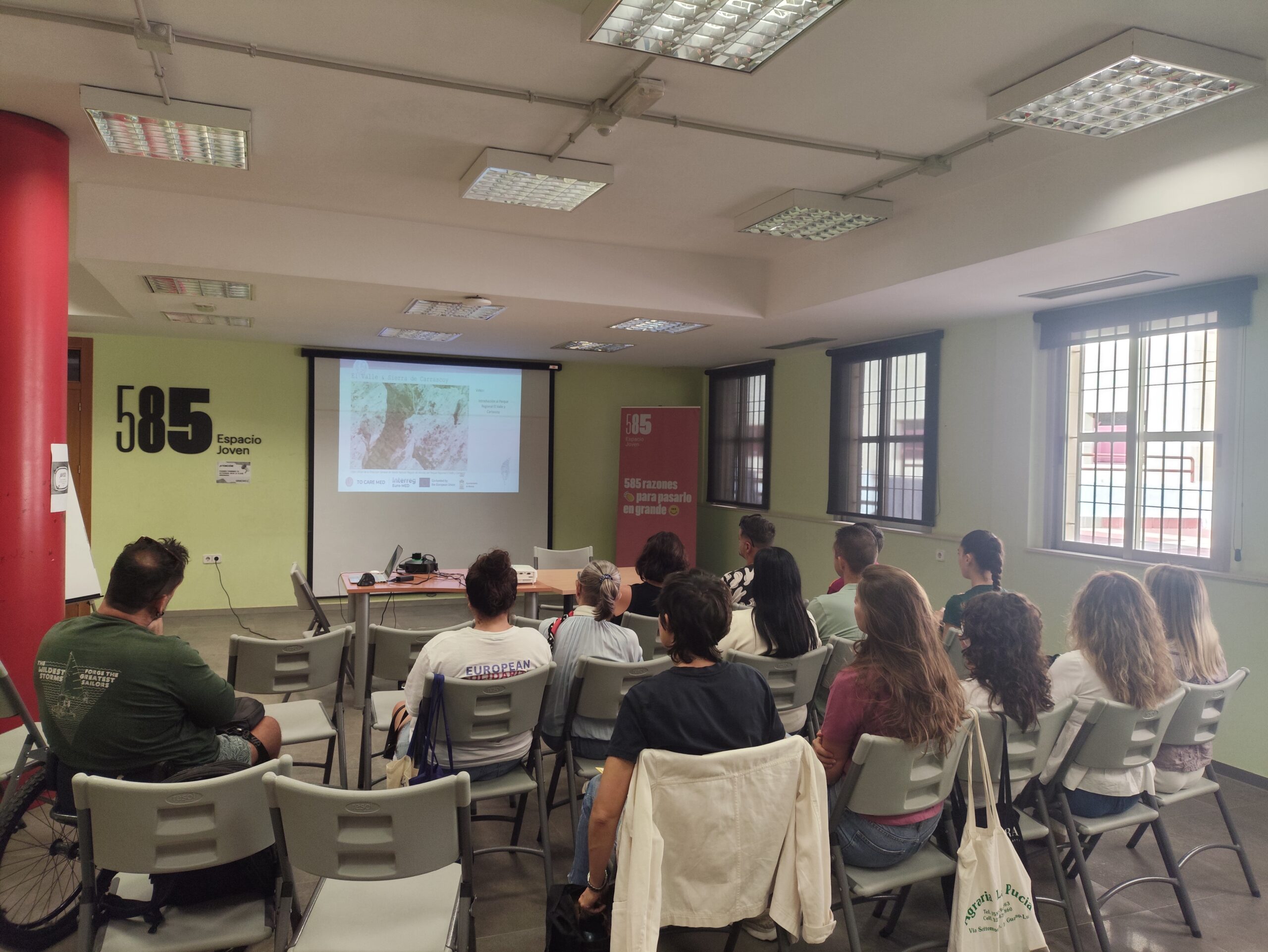
In El Valle & Sierra de Carrascoy, the first DWG meeting marked the starting point of this collaborative journey. Following an introduction to the Interreg programme and the TO CARE MED project, participants explored the characteristics of the pilot area and the reasons behind its selection, supported by a short video showcasing the natural reserve.
The meeting concluded with a participatory exercise using an Importance–Influence matrix, designed to identify missing stakeholders, assess levels of interest and influence, and ensure that all relevant voices are considered in future planning. This hands-on approach reflects the project’s core philosophy: sustainable tourism cannot be imposed—it must be co-designed.
Beyond their local role, DWGs are connected through a wider Mediterranean ecotourism network, enabling destinations to exchange experiences, test innovative solutions, and learn from one another. Insights gathered locally feed into Integrated Action Plans (IAPs), ensuring that the TCCL tool is not only technically robust but also locally meaningful and actionable.
By combining data, participation, and cooperation, TO CARE MED is helping destinations like El Valle & Sierra de Carrascoy move toward tourism models that respect ecological limits while enriching visitor experiences. In doing so, the project offers a replicable blueprint for resilient, inclusive, and sustainable ecotourism—one that Mediterranean destinations can adapt long after the project concludes.