
What we do
The TO CARE MED addresses over-tourism challenges by transferring to ecotourism destinations, the Tourism Carrying Capacity Limit (TCCL) tool and methodology, originally developed and tested in the ALTERECO PLUS project. The transfer is vital as many Ecotourism destinations lack the capacity to manage tourist flows sustainably, leading to negative environmental and socio-economic impacts.
THE new approach
This approach goes beyond existing practices by providing a flexible, data-driven tool that adapts to varying conditions and tourist behaviors. It helps to balance ecotourism offer with environmental conservation and local community well-being and foster sustainable tourism practices.
Through cooperation, TO CARE MED promotes destination working groups to share practices at the transnational level and to co-design services and products enhancing the overall sustainability of ecotourism, locally.
By the project’s end, TO CARE MED will have established a robust framework for sustainable ecotourism, ensuring lasting positive impacts on both the environment and local communities.
Destination Working Group (DWG)
Protecting Nature While Welcoming Visitors: TO CARE MED in El Valle & Sierra de Carrascoy
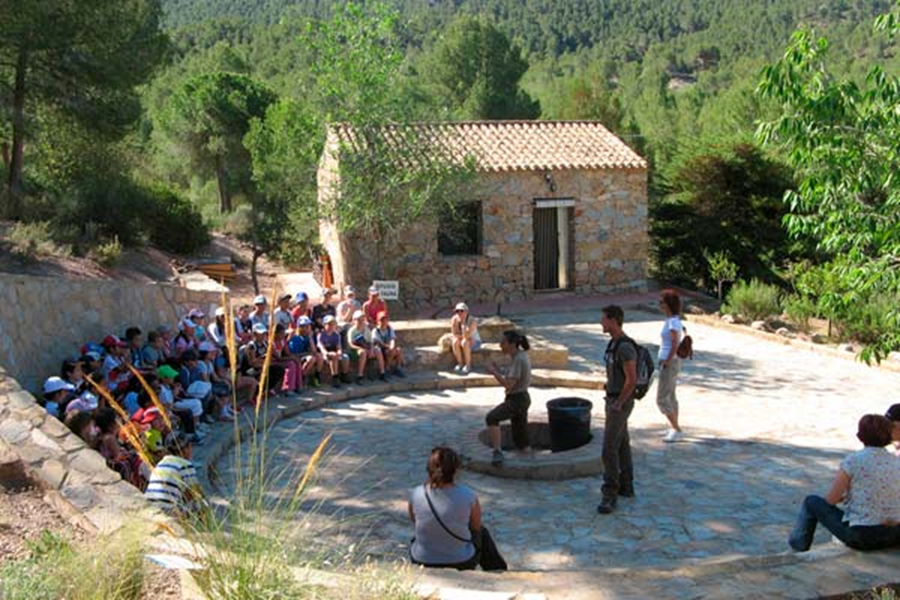
El Valle & Sierra de Carrascoy, a 16,700-hectare protected landscape and part of the Natura 2000 network, serves as a pilot site for the Interreg TO CARE MED project. As a key green lung for the surrounding metropolitan area, the park combines exceptional biodiversity, cultural heritage, and growing demand for outdoor recreation, making careful tourism management essential.
Through the creation of local Destination Working Groups, TO CARE MED brings together public authorities, environmental organizations, tourism operators, and community representatives to co-design sustainable solutions. By integrating participation, data collection, and responsible planning, the project aims to protect fragile ecosystems while enhancing visitor experiences and supporting long-term, balanced development.
Read the newsPula Launches Initiative for Sustainable Tourism through TO CARE MED Project
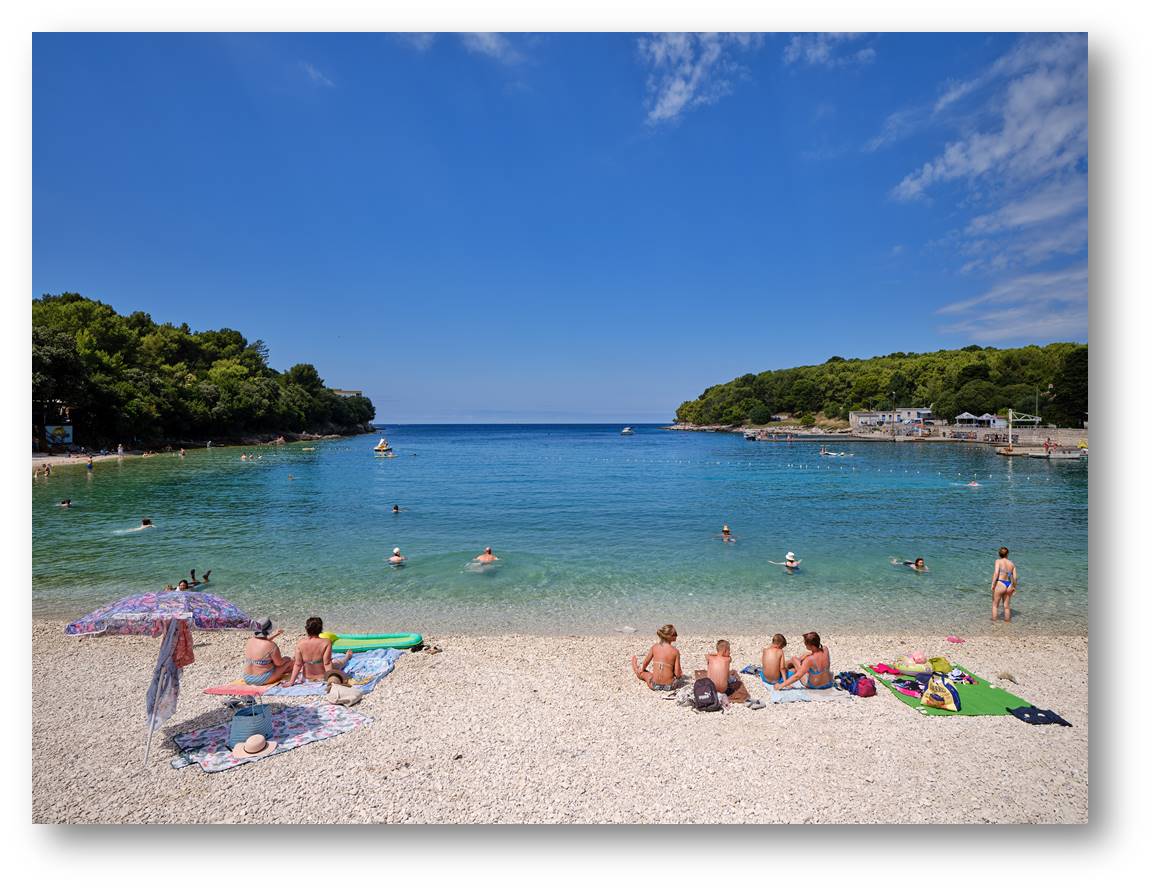
The City of Pula has launched the Interreg TO CARE MED project to promote sustainable and inclusive tourism development. The first meeting of the Destination Working Group was held on 30 October 2025, bringing together local authorities, tourism organisations, NGOs, and experts, and emphasising the importance of participatory planning.
The project aims to improve residents’ quality of life and enhance the visitor experience within a broader Mediterranean cooperation framework.
Special focus was placed on the Valsaline pilot area, where key challenges and proposed actions were identified, including better connectivity, preservation of green spaces, and new facilities for the local community and young people.
The collected proposals will be developed into concrete guidelines through future project activities and meetings.
Sts. Constantine and Helena Resort (Bulgaria) Destination Working Group (DWG)
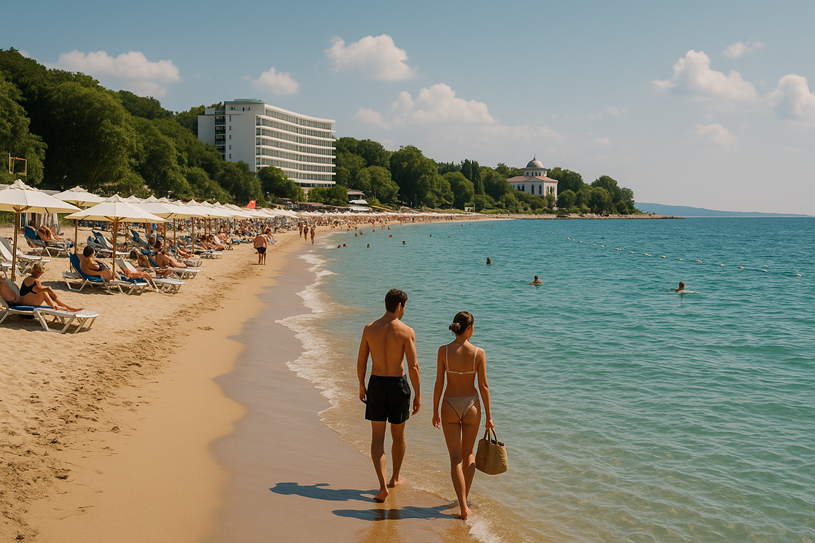
Sts. Constantine and Helena, Bulgaria’s oldest Black Sea resort, is one of TO CARE MED’s pilot destinations working to strengthen sustainable tourism through the Tourism Carrying Capacity Limit (TCCL) tool.
Known for its mineral springs, forests, and 3.5-km coastline, the resort faces rising pressures from increasing visitor numbers, outdated infrastructure, and environmental risks. A Destination Working Group (DWG) meeting on 26 September 2025 brought together local authorities and experts to align strategies, assess tourism impacts, and plan targeted measures to protect the resort’s sensitive coastal and green areas.
By applying the TCCL methodology, the project helps identify ecological and infrastructural thresholds and translates data into actionable, site-specific strategies.
Next steps include:
- Expanding stakeholder participation,
- Drafting an Action Plan,
- Delivering TCCL training,
- Improving documentation—laying the foundation for coordinated, long-term management of the resort’s natural and cultural assets.
Kick-off Stakeholder Meeting organised by the Unione dei Comuni Tifernum (Italy)
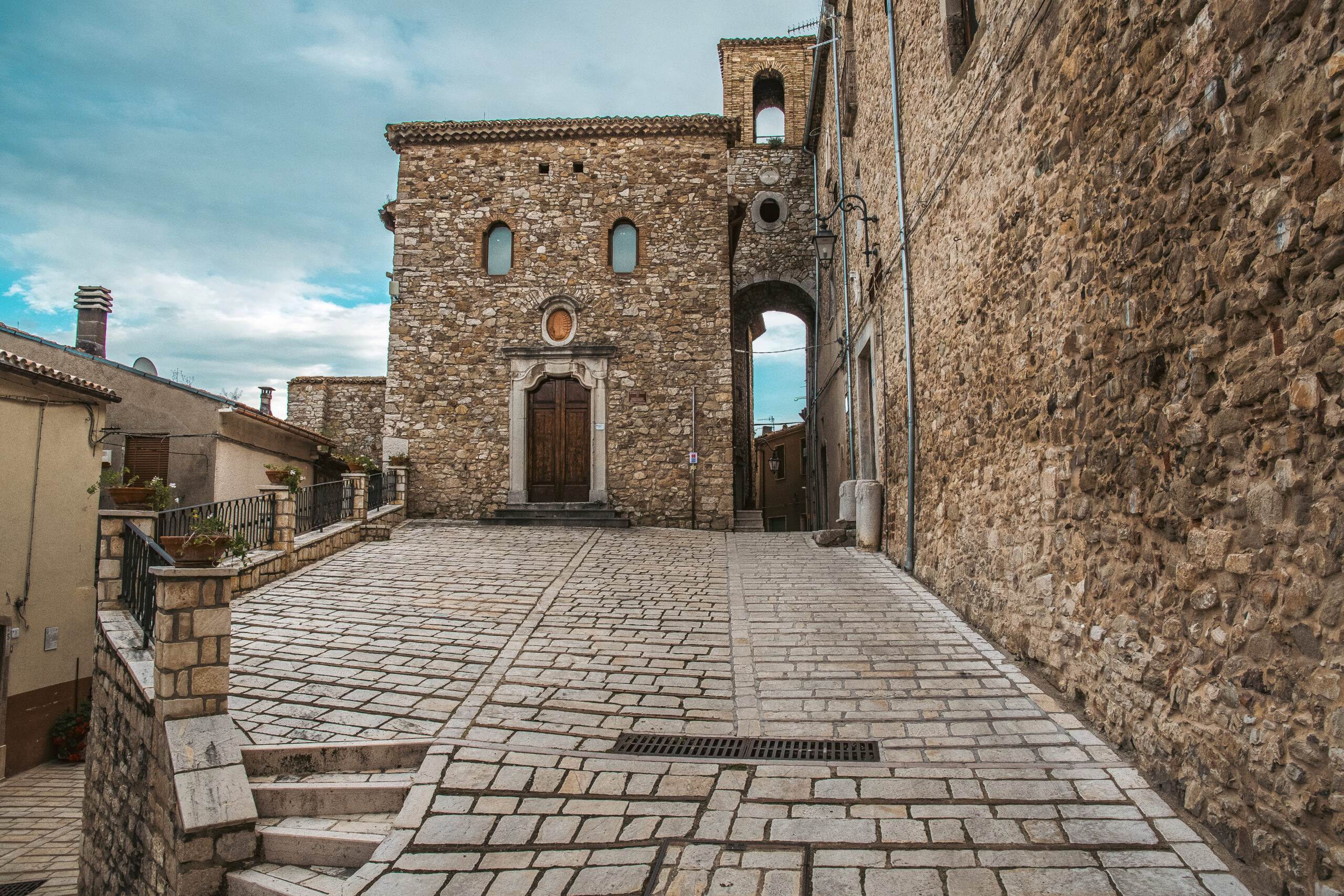
The online stakeholder meeting organized by the Unione dei Comuni Tifernum (UCT) within the To CARE MED project brought together 12 key local actors to discuss priorities for developing sustainable ecotourism in the area. After the opening remarks and project introduction, discussions—guided by a structured questionnaire—focused on current challenges and opportunities.
Participants highlighted major issues: limited integrated tourist packages, the need for a stronger shared territorial identity, insufficient joint promotion, unsustainable practices in local events, and a lack of coordinated governance and updated accommodation data.
Proposed actions included conducting a territorial survey, establishing a permanent coordination table, and introducing sustainability guidelines for events and waste management. The meeting confirmed that improving promotion, governance integration, and responsible event management is crucial for advancing ecotourism. A stakeholder questionnaire (Italian and English) was also collected to support further analysis.
Read the newsTOCAREMED Project Partners
Lead Partner
Ca’ Foscari University of Venice – Department of Economics / UNIVE
Italy (IT)
The Department of Economics at Università Ca’ Foscari Venezia (UNIVE) is a leading centre for research and education in economic phenomena, focusing on global market complexities and exploring their social, juridical, ethical, and environmental implications. The department hosts a dedicated research group specialising in sustainable tourism, with extensive experience in EU-funded projects. This team has been instrumental in developing the Tourism Carrying Capacity Limit (TCCL) tool through key projects, including Shapetourism, AlterEco, and AlterEco Plus. The motivation driving the Department of Economics to participate in the TO CARE MED project is twofold: to transfer the TCCL tool and support sustainable tourism development in various destinations, and to acquire new knowledge about ecotourism and Mediterranean destinations. This will enable the department to initiate further studies, research, and projects that benefit the MED area and sustainable tourism more broadly.
Partners
City of Pula – Pola / Pula
Croatia (HR)
The City of Pula administration, with over 180 employees, has extensive operational capacity, particularly in environmental protection through its Department for Green Policies. This department drafts and implements environmental protection documents, monitors environmental elements, and conducts environmental impact assessments. Since 2004, Pula has successfully managed projects funded by European, international, and national funds. Their expertise in environmental management, sustainable development, and cooperation with various European cities makes them a valuable partner for the TO CARE MED project. Pula’s efforts will demonstrate how integrated planning and stakeholder engagement can lead to sustainable tourism development, serving as a model for other coastal areas in Croatia and the broader Mediterranean region. Pula is located in the southwestern Istrian coast, which, according to its characteristics, is a low level area formed on a karst bedrock.
Union of Bulgarian Black Sea Local Authorities / UBBSLA
Bulgaria (BG)
UBBSLA is a prominent network that supports local authorities in the Black Sea region, specialising in environmental protection, sustainable development, and regional cooperation. UBBSLA has significant experience in drafting and implementing environmental policies, conducting environmental impact assessments, and promoting sustainable tourism. The extensive history of managing projects funded by European, international, and national funds, coupled with their expertise in stakeholder engagement and policy development, positions UBBSLA as a critical partner in the TO CARE MED project. UBBSLA’s efforts demonstrate how integrated planning and stakeholder engagement can lead to sustainable tourism, serving as a model for other coastal areas in the Black Sea region and beyond. The successful application of the TCCL tool in Constantine and Helena will showcase the potential for sustainable tourism practices to protect and enhance valuable cultural and natural resources.
Cell of Alternative Youth Activities / KEAN
Greece (GR)
KEAN brings nearly 20 years of experience in environmental protection, sustainable tourism, and community-based education. With extensive work on circular economy, climate change, and eco-friendly lifestyles, KEAN has developed educational tools (e.g. Greece’s first environmental board game) and organized environmental awareness campaigns, workshops, and clean-up actions. KEAN has implemented sustainable tourism projects such as “GreenCities,” “Blue Bridge,” and “ProGIreg,” combining environmental conservation with local economic development. These projects reflect KEAN’ s capacity to engage stakeholders, promote low-impact tourism, and connect cultural heritage with sustainability. KEAN’s involvement in EU projects and its broad partnership network further ensure the effective transfer of tools like the Tourism Carrying Capacity Limit Calculator in new contexts.
Community Educational Research Centre / CERC
Slovenia (SI)
CERC is a pan-European network of experts integrating knowledge across sectors. CERC promotes EU values and supports policy innovation through participatory integrated approach. The expertise includes environmental evaluation, sustainable development and community engagement. With a strong track record in managing EU-funded projects, CERC’s interdisciplinary team excels in fostering sustainable practices and enhancing the institutional capacities of local stakeholders. Their commitment to promoting sustainable development and their extensive experience in environmental education make them a valuable partner for the TO CARE MED project. CERC’s efforts in the TO CARE MED project will serve as a model for integrating education, community engagement, and policy innovation to promote sustainable tourism. Their focus on participatory approaches and capacity building will help create a sustainable tourism model that can be replicated in other regions facing similar challenges
Murcia Municipality / AdM
Spain (ES)
The Municipality of Murcia, covering an extensive area of 881.86 km², is characterised by its rich agricultural landscape, earning it the title “the orchard of Europe.” The municipality boasts extensive peri-urban natural areas and protected parks, with El Valle y Carrascoy Natural Park being a prominent feature. Notably, 30% of the municipality is included in the Natura 2000 network, emphasizing its ecological significance. Given these unique characteristics, the Municipality of Murcia is highly motivated to participate in the TO CARE MED project to promote sustainable tourism that harmonizes with its natural and cultural heritage. By focusing on the El Valle y Carrascoy Natural Park as the pilot area, Murcia aims to leverage the Tourism Carrying Capacity Limit (TCCL) tool to balance tourism growth with environmental conservation and cultural preservation.
Union of Municipalities Tifernum / UCT
Italy (IT)
The Union of Munic. Tifernum groups five cities that aim to improve sustainable development. The Municipalities are: Castellino del Biferno, Lucito, Petrella Tifernina, Montagano and Matrice. UMT promotes and contributes to the socio-economic development of the territory, encouraging participation to the economic initiative of public and private entities to create structures of general interest compatible with environmental resources. It promotes the safeguarding of environment and the health of citizens. UMT also enhances the historical and artistic heritage of cities and their cultural traditions and supports the quality of life of its population to better respond to the needs of the development of the citizens. Regarding the administrative aspect the UMT harmonizes the exercise of the functions and services assigned with the general needs of citizens, ensuring equitable use of resources.
Contact us
Nicola Camatti (Ca’ Foscari University of Venice)
Mail: nicola.camatti@unive.it
Raffaella Lioce (Ca’ Foscari University of Venice)
Mail: Raffaella.lioce@unive.it