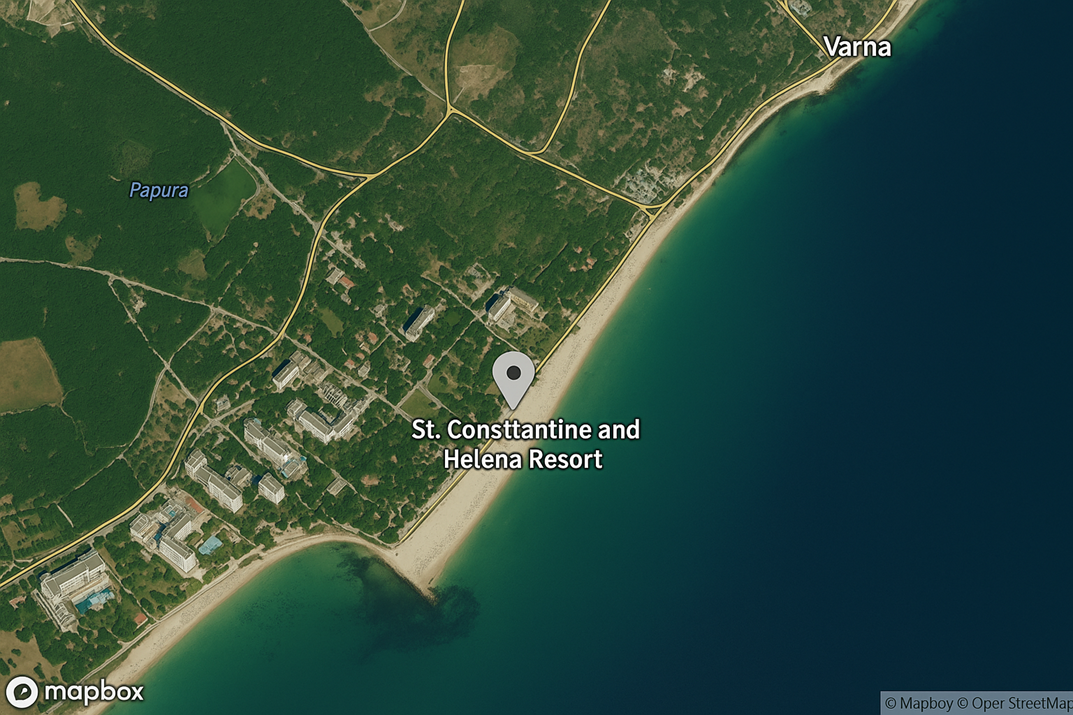

Sts. Constantine and Helena resort—Bulgaria’s oldest Black Sea resort and a landmark of wellness tourism—stands at the heart of TO CARE MED’s efforts to support sustainable ecotourism across the Mediterranean. Known for its century-old spa traditions, seven thermal mineral springs, extensive green spaces, and a 3.5-km coastline, the resort is a unique blend of nature, culture, and modern hospitality. Its rising popularity, however, also brings growing environmental and infrastructural pressures.

As one of the project’s five pilot destinations, the resort is adapting the Tourism Carrying Capacity Limit (TCCL) tool to help safeguard its landscapes, coastal ecosystems, and visitor experience. The Destination Working Group (DWG) brought together local authorities, tourism professionals, and experts to align strategies, monitor impacts, and ensure the long-term preservation of the area’s natural and cultural assets.
During the meeting on 26 September 2025, hosted by UBBSLA, participants discussed how the TCCL methodology can address the resort’s specific needs. Presentations emphasised the area’s unique features—its mineral springs, century-old wellness heritage, lush forested terraces descending to the sea, marina facilities, and botanical garden—while examining how these assets are currently affected by increasing tourism demand. This shared understanding laid the groundwork for targeted, locally appropriate measures that protect the resort’s fragile coastal and green environments while enhancing visitor management.
The TO CARE MED project provides destinations with practical tools to assess tourism pressures and protect sensitive environments. The TCCL methodology evaluates ecological, social, and infrastructural thresholds, enabling Sts. Constantine and Helena resort to identify where visitor presence should be managed more carefully—particularly along its beaches, mineral pool zones, forested areas, and cultural attractions.
Through training, data interpretation, and local co-planning, the project supports the resort in translating technical findings into effective, site-specific tourism strategies.
A Distinctive Coastal and Wellness Destination
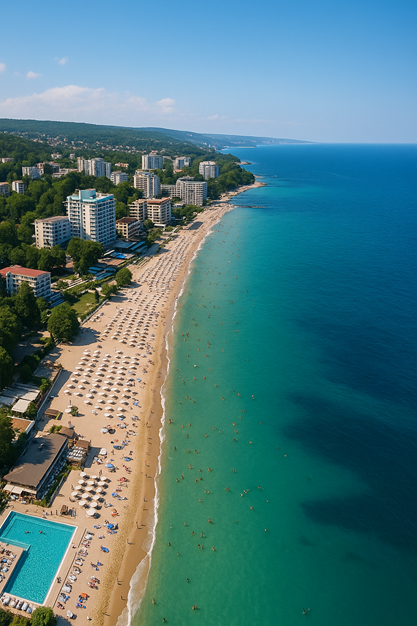
Sts. Constantine and Helena resort offers a rare combination of natural and cultural qualities that shape its identity:
– Seven high-capacity thermal mineral springs (40°C–60°C), forming the basis of year-round wellness tourism
– Decades-old broadleaf forests reach directly to the shoreline
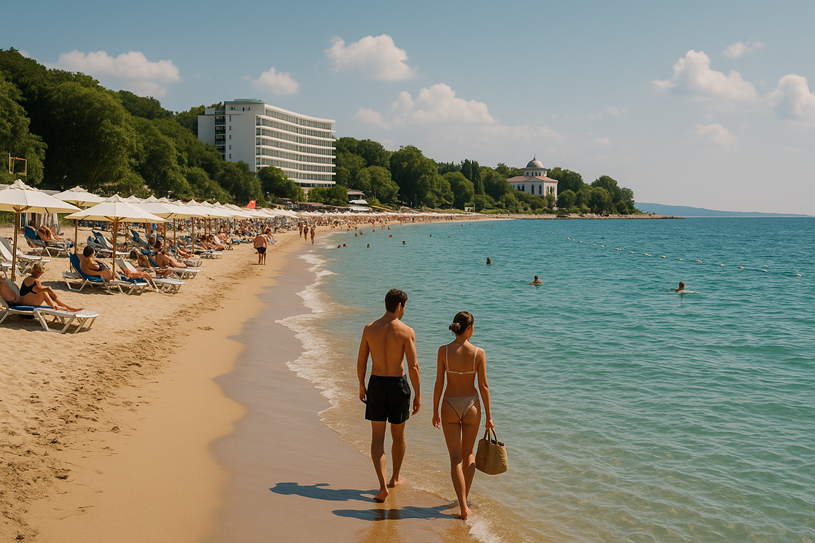
– A 3.5 km coastal strip ideal for walking, relaxation, and outdoor recreation
– Ecopark Varna (University Botanical Garden), the first of its kind in Bulgaria and a key eco-attraction
– Modern leisure infrastructure, including mineral water pools, tennis courts, jogging paths, and two marinas
– A rich culinary scene offering both national cuisine and resort-style dining
The resort’s natural terraces overlooking the sea, green park areas, and unique thermal resources create a distinct sense of place—one that requires careful management to remain attractive and resilient. Participants identified several pressures threatening the long-term quality of the resort’s environment and tourism services:
- Pollution and untreated wastewater are affecting coastal waters
- Outdated infrastructure and insufficient waste management
- Shortages of skilled staff in hospitality and wellness services
- Dependence on summer mass tourism and all-inclusive models
- Climate-related risks such as water scarcity and coastal impacts
- Limited adoption of digital innovation in wellness and resort operations
- Low awareness and engagement in sustainable practices among local stakeholders
These challenges underline the need for coordinated action, supported by the TCCL tool and the DWG’s collaborative structure. To advance sustainable tourism planning at Sts. Constantine and Helena resort, the DWG will:
- Finalise and expand the stakeholder list to include all key local actors
- Begin drafting the first Action Plan focused on the resort’s environmental and infrastructural priorities
- Organise TCCL training workshops for local stakeholders
- Propose a timeline for the next DWG meeting
- Prepare updated documentation and stakeholder mapping
These steps aim to build a strong, locally driven framework that preserves the resort’s natural identity, improves the visitor experience, and ensures long-term resilience.