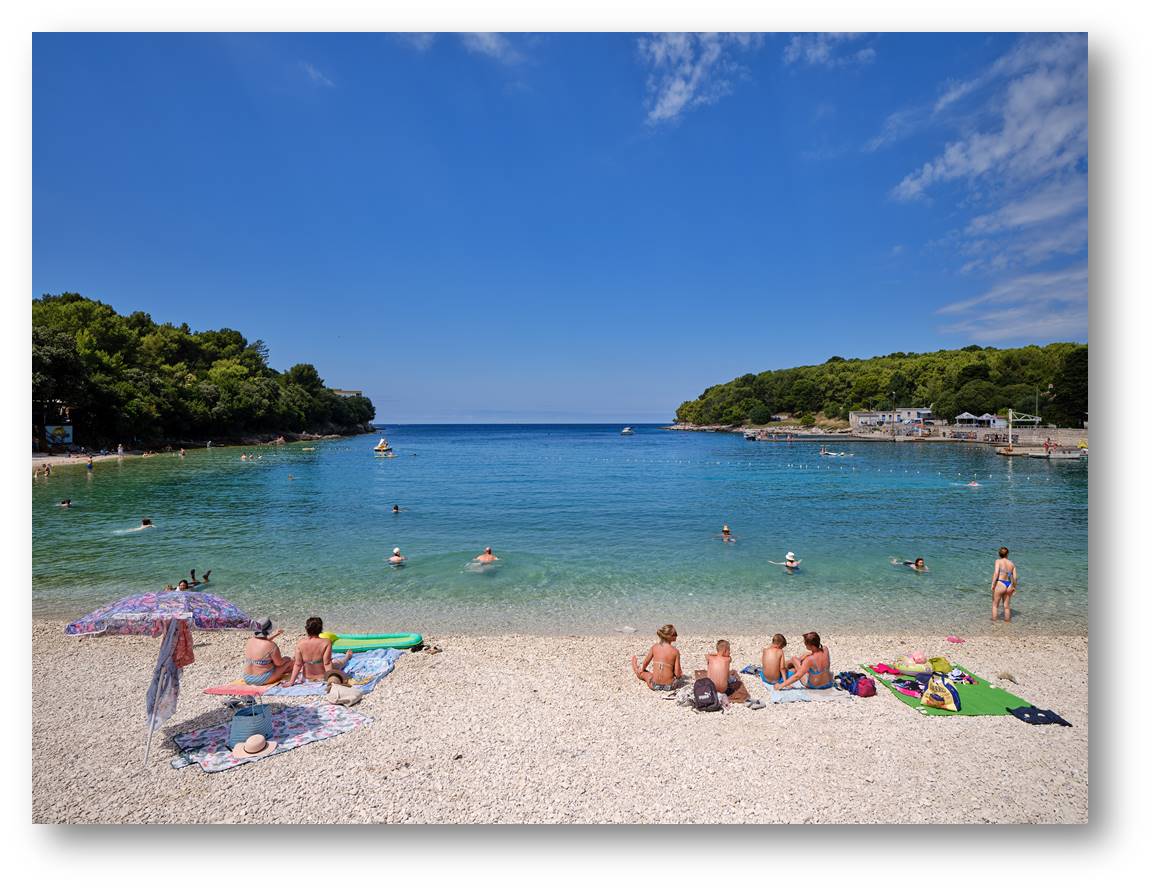

The City of Pula has taken an important step toward more sustainable and inclusive tourism development with the launch of activities under the Interreg TO CARE MED project. On 30 October 2025, the first meeting of the local Destination Working Group (DWG) was held, bringing together a diverse group of stakeholders, including representatives of the City of Pula, local and regional tourist boards, non-governmental organisations, and experts in urban planning and development.
The meeting opened with an emphasis on the strategic importance of participatory planning in shaping Pula’s long-term development, highlighting that the involvement of a wide range of stakeholders in decision-making processes is essential for creating balanced solutions that address the needs of residents, visitors, and the environment.
An overview of the TO CARE MED project and its objectives was then presented, outlining the project’s expected outcomes and its role in promoting sustainable tourism practices across Mediterranean destinations. Particular attention was given to improving the quality of life for local communities while enhancing the overall visitor experience.
Key principles of sustainable tourism and responsible destination management were presented, along with an overview of the project’s activity timeline at both the European and local levels. This presentation clarified how local actions in Pula contribute to broader Mediterranean cooperation and knowledge exchange.
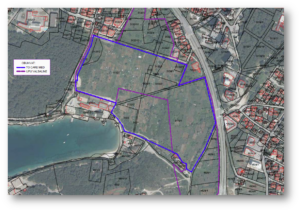
Special attention was devoted to the Valsaline pilot zone, including its role within the project and the importance of the Destination Working Group in identifying challenges, gathering ideas, and proposing innovative, location-specific solutions.
During the discussion, participants identified the main challenges and needs of the Valsaline area and proposed a range of concrete measures. The discussion highlighted the importance of improving connectivity within the zone, strengthening local community engagement, and preserving green spaces. Suggested actions included the development of children’s playgrounds, the upgrading of promenades, the creation of spaces for local producers, and the introduction of activities aimed at young people.
Participants also discussed data collection methods for the project, such as short questionnaires distributed via public Wi-Fi, emphasising that idea generation should not be limited by existing spatial plans in order to encourage creativity and innovation.
The meeting concluded with the agreement that all collected proposals will be analysed and structured into concrete development guidelines. These will be further developed through project activities and future stakeholder workshops. The next DWG meeting is planned for the first quarter of 2026, focusing on the TCCL tool, data collection processes, and the engagement of additional stakeholders.