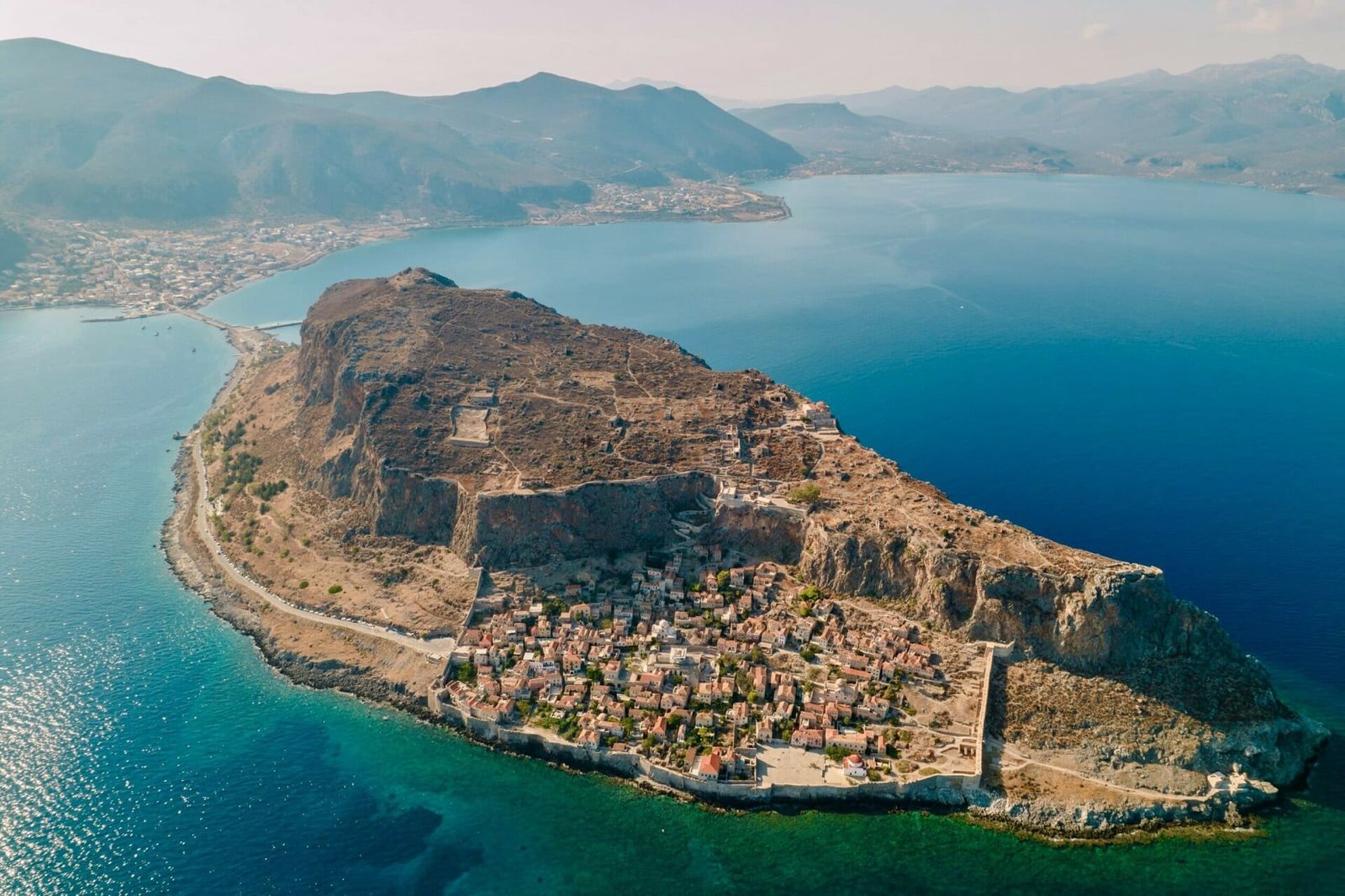
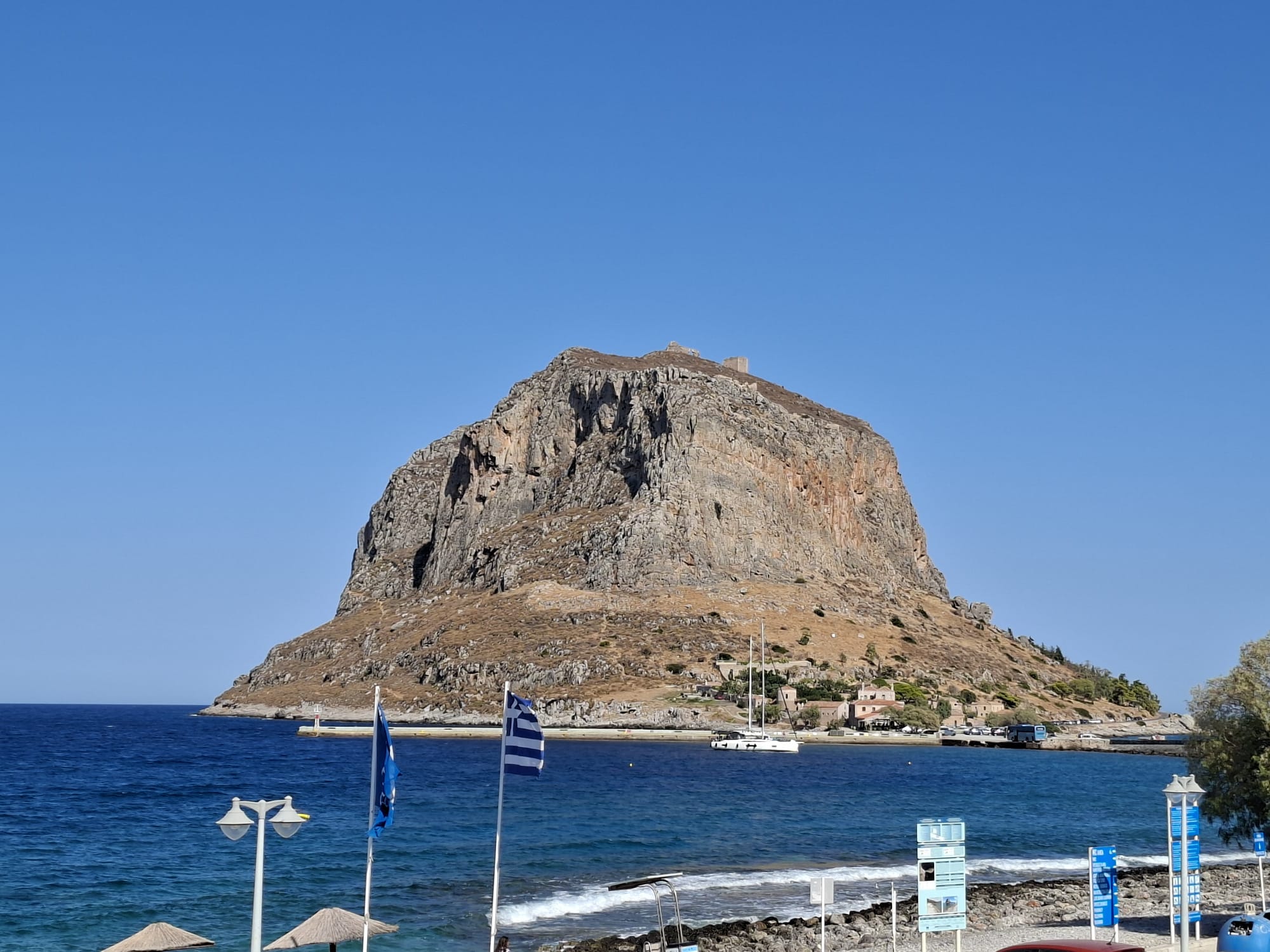
Located in the southeastern Peloponnese, Monemvasia is a destination where natural landscapes, cultural heritage and rural traditions converge. Best known for its spectacular medieval castle town, built on a rocky peninsula overlooking the Myrtoan Sea, the wider destination extends well beyond its historic centre, encompassing coastal areas, agricultural landscapes, olive groves, vineyards and territories connected to the Parnon Mountains and Natura 2000 sites.
This combination of assets makes Monemvasia a destination of considerable environmental and cultural value. At the same time, it creates a complex tourism management challenge.
A destination with multiple layers of value
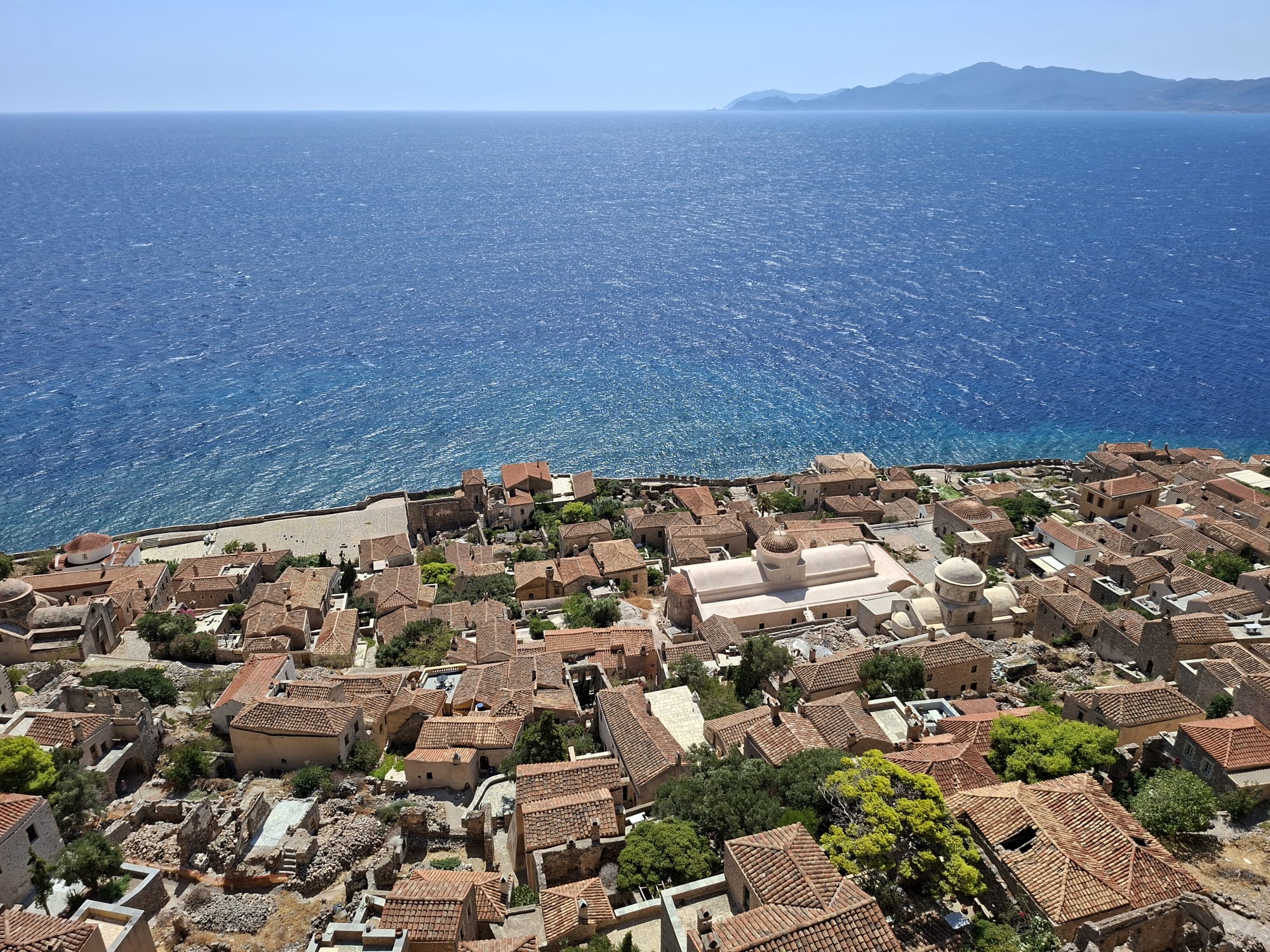
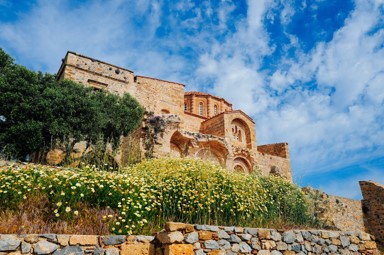
Monemvasia’s identity is strongly connected to its historic heritage. The Byzantine and post-Byzantine churches, fortifications, mansions and narrow medieval streets of the castle town form one of the destination’s most distinctive cultural landscapes. Archaeological remains and the area’s long agricultural tradition add further layers to its identity, while the revival of Malvasia wine reconnects the destination with an important element of its historical economy.
The natural environment is equally significant. The rugged coastline, beaches, Mediterranean habitats and biodiversity of the area provide opportunities for outdoor and nature-based tourism. Its proximity to the Parnon Mountains and Natura 2000 sites further reinforces its ecological importance.
The challenge is to ensure that these different assets can continue to coexist and generate value without being undermined by tourism pressure or wider environmental and socio-economic changes.
Moving beyond seasonal concentration
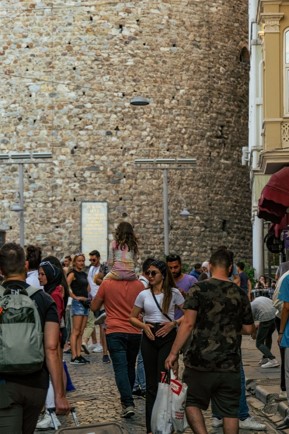
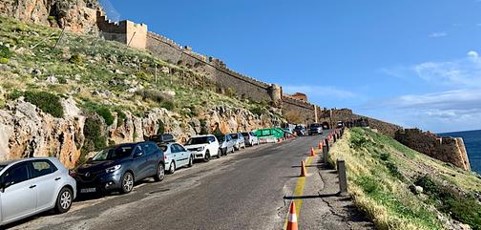
Like many Mediterranean destinations, Monemvasia faces a strong seasonal pattern in tourism activity. Visitor flows are concentrated during the summer, increasing pressure on transport, parking, water resources and waste management, while demand remains considerably weaker during the rest of the year.
The consequences extend beyond infrastructure.
High visitor concentration can place pressure on historic structures and natural habitats, while the dependence on seasonal tourism can create challenges for local businesses, employment and housing. Climate-related pressures, including drought and coastal erosion, add another layer of vulnerability.
These dynamics demonstrate why tourism carrying capacity cannot be understood simply as a question of the maximum number of people that can visit a particular attraction.
Instead, it needs to be considered across the destination system, taking into account transport, infrastructure, visitor behaviour, tourism products, environmental resources and local communities.
Exploring alternative visitor-flow scenarios
This is the approach being tested through the TO CARE MED pilot in Monemvasia.
The project applies the Tourism Carrying Capacity Limit (TCCL) tool to investigate how different management choices could influence pressure across the destination.
Rather than considering only a single solution, four scenarios have been explored.
Scenario A – Improving access and reducing pressure around the Castle
Scenario B – Redistributing visitors across the wider municipality
Scenario C – Extending tourism activity beyond the summer season
From assessment to locally designed action
The value of the TCCL approach goes beyond identifying individual scenarios.
TO CARE MED aims to use the results of carrying capacity assessments as a foundation for locally co-designed action.
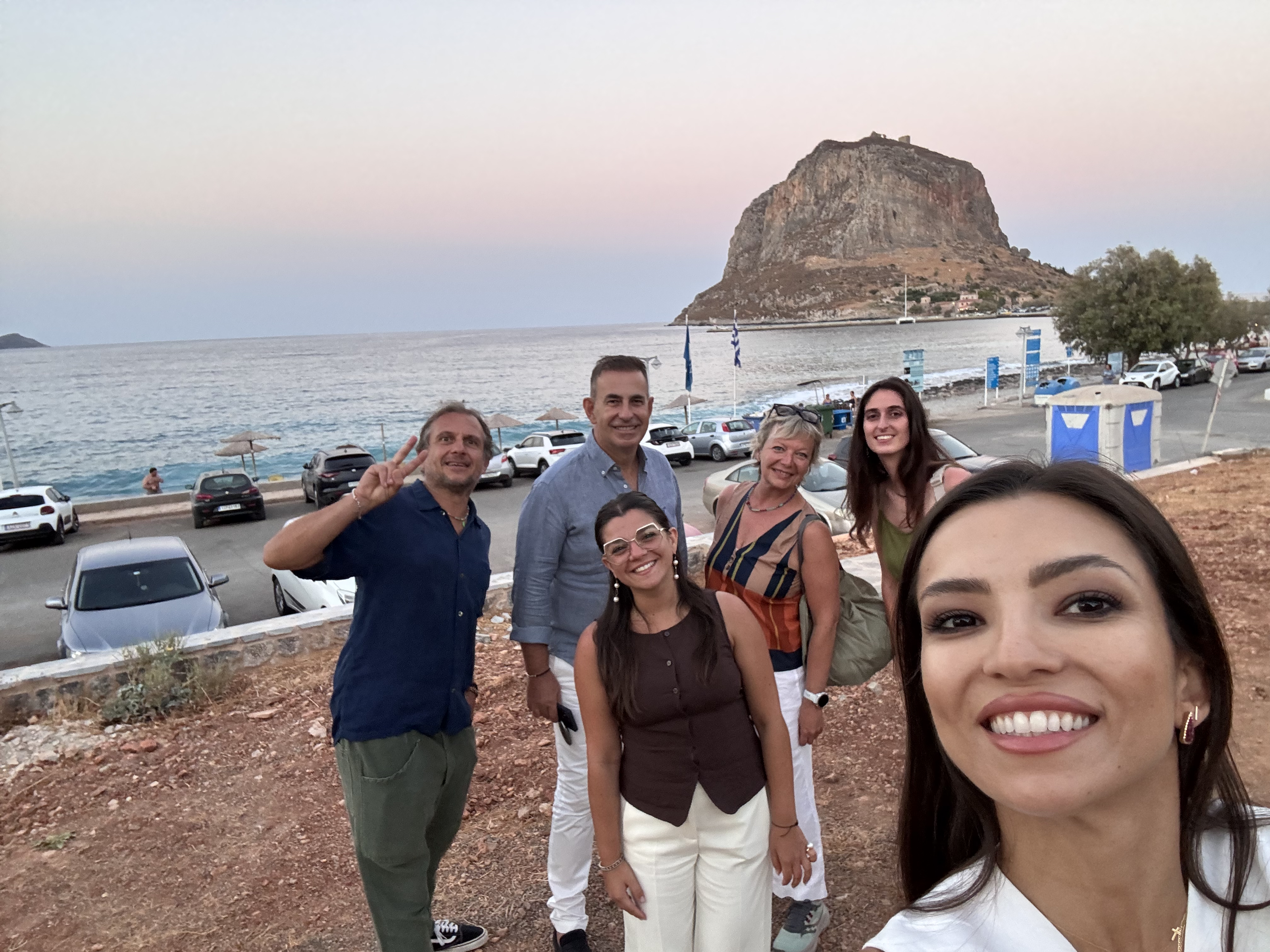
Destination Working Groups bring together relevant local stakeholders, creating a space where data can be discussed alongside local knowledge, practical experience and development priorities.
This process is essential because tourism management decisions involve trade-offs. A measure that reduces pressure in one part of the destination may create new demands elsewhere. Similarly, an infrastructure investment may only be effective if it is accompanied by changes in visitor behaviour or the development of attractive alternatives.
The next step is therefore to translate assessment results into Integrated Action Plans (IAPs) that reflect the specific conditions and priorities of the Monemvasia pilot area.
Capacity building, peer exchange and transnational cooperation are also important components of this process, helping stakeholders develop the skills needed to interpret data and apply the findings to real-world tourism management.
Connecting Monemvasia with the Mediterranean
Monemvasia is one of the pilot destinations contributing to TO CARE MED’s wider Transnational Ecotourism Cluster.
The cluster creates opportunities for Destination Working Groups to exchange experiences and explore how approaches developed in one territory can inform solutions elsewhere.
This is particularly relevant for Mediterranean destinations, which may differ significantly in terms of geography, heritage and tourism markets while sharing common pressures related to seasonality, climate change, visitor concentration and infrastructure.
The experience of Monemvasia therefore contributes to a wider learning process.
The objective is not to create a single model that can be applied identically everywhere, but to develop approaches that can be adapted to different local contexts.
Towards a more balanced tourism model
The Monemvasia pilot illustrates a fundamental principle of TO CARE MED: sustainable tourism management is not necessarily about reducing tourism.
It can also be about redistributing visitor flows, diversifying tourism experiences, improving connections between different parts of a destination and making better use of data when planning interventions.
By combining the TCCL methodology with stakeholder participation, capacity building and Integrated Action Plans, TO CARE MED is working towards tourism models that can generate economic value while respecting the environmental and cultural limits of Mediterranean destinations.
For Monemvasia, the challenge is to ensure that the destination’s extraordinary heritage and landscapes remain assets for the future — while creating the conditions for tourism to contribute to a resilient and diversified local economy.