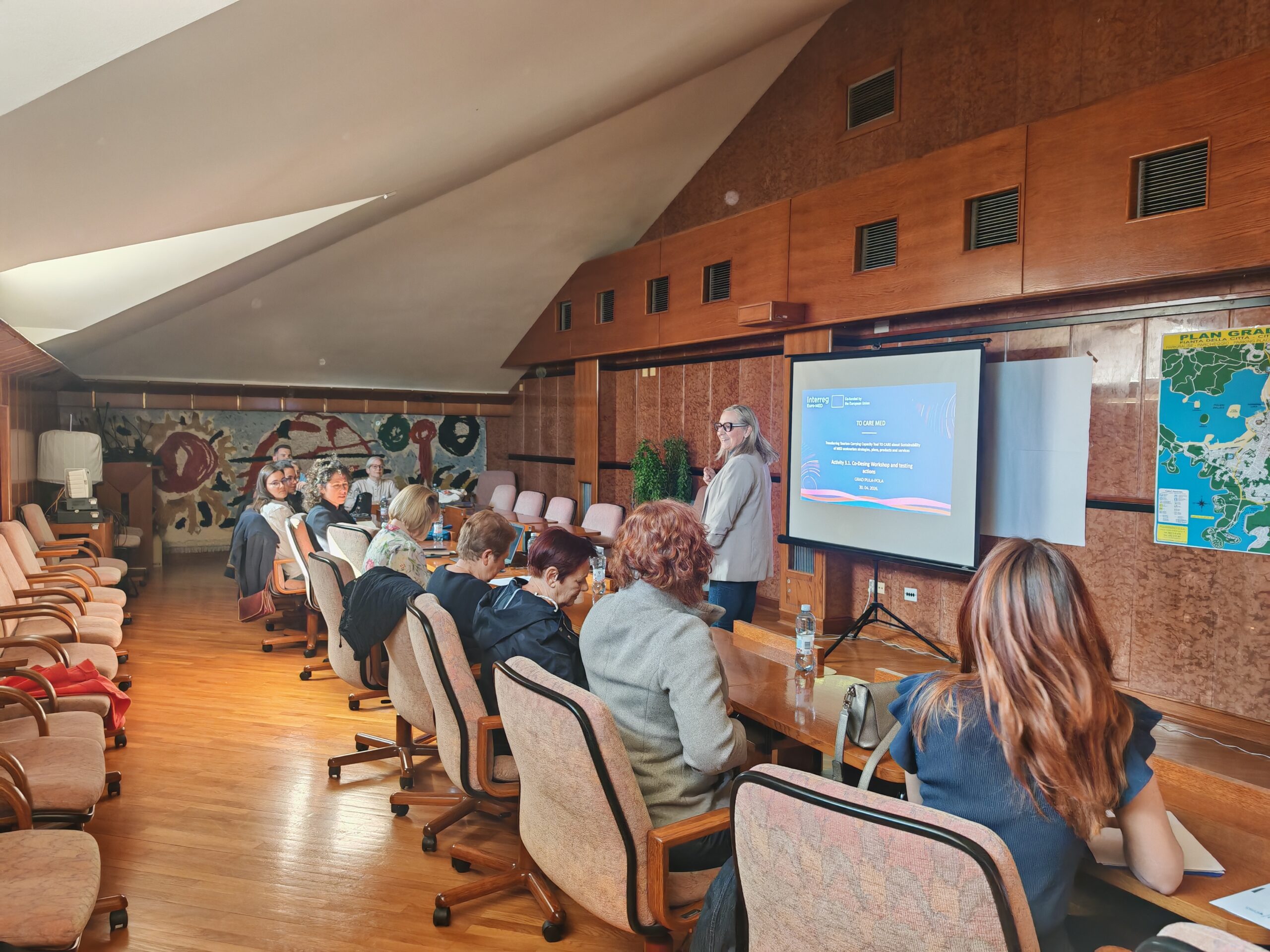

On 30 April 2026, the City of Pula hosted a Co-Design Workshop (Activity 3.1) as part of the Interreg Euro-MED TO CARE MED project. The workshop brought together representatives from local authorities, environmental organizations, public institutions, tourism bodies, and civil society to jointly contribute to the development of sustainable tourism solutions for the city.
The workshop opened with welcoming remarks highlighting the importance of involving a broad range of stakeholders in planning and decision-making processes. Participants discussed how collaborative approaches help identify community needs and support the development of more effective and sustainable solutions for Mediterranean destinations.
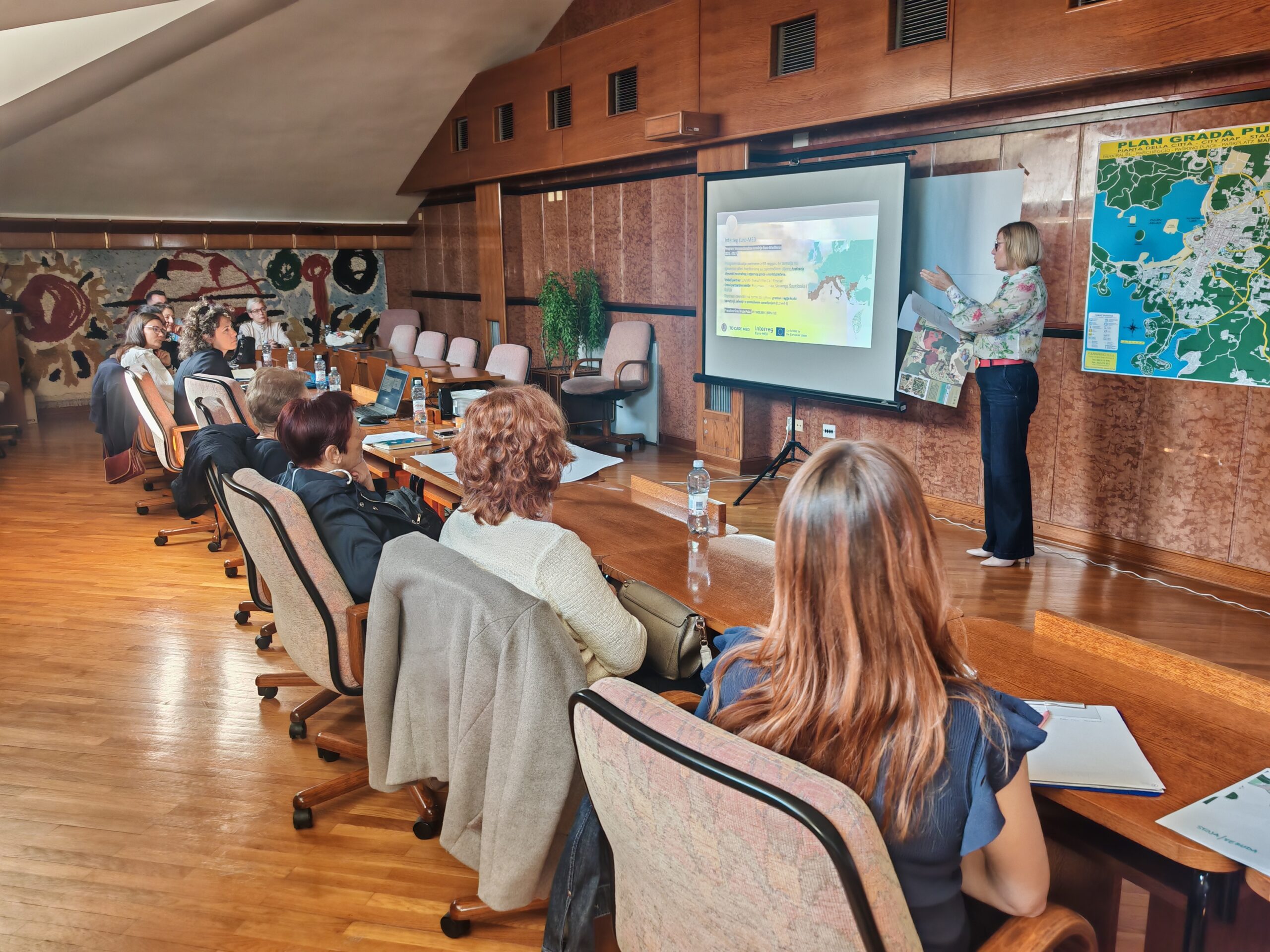
The City of Pula project team presented the objectives of the TO CARE MED project, emphasizing its role in promoting sustainable tourism through the transfer and implementation of the Tourism Carrying Capacity Limit (TCCL) methodology. Participants were also informed about updates to the project’s pilot area, with Valsaline confirmed as the project’s revised buffer zone for local testing activities.
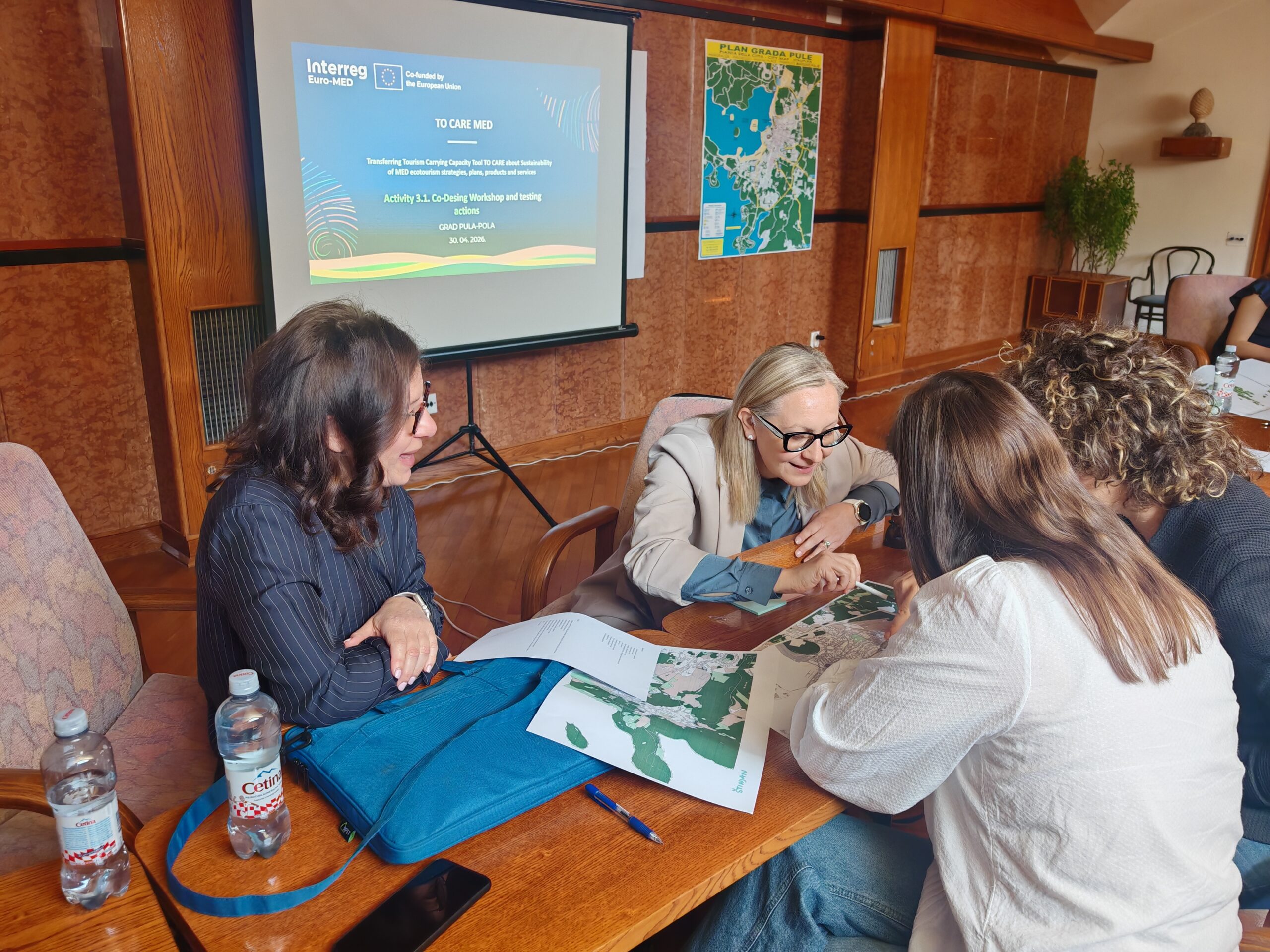
The practical session focused on assessing the condition of urban green spaces—often referred to as the city’s “green oases.” Participants worked in smaller groups to review different neighbourhoods across Pula, identifying existing green areas, documenting their locations and current conditions, and proposing measures to improve their environmental, recreational, and social value.
Among the recommendations, were practical interventions such as restoring neglected green areas, maintaining public parks, improving landscaping, replacing damaged urban equipment, and enhancing accessibility for residents and visitors. These observations will contribute to strengthening the resilience and attractiveness of Pula’s urban environment while supporting sustainable tourism development.
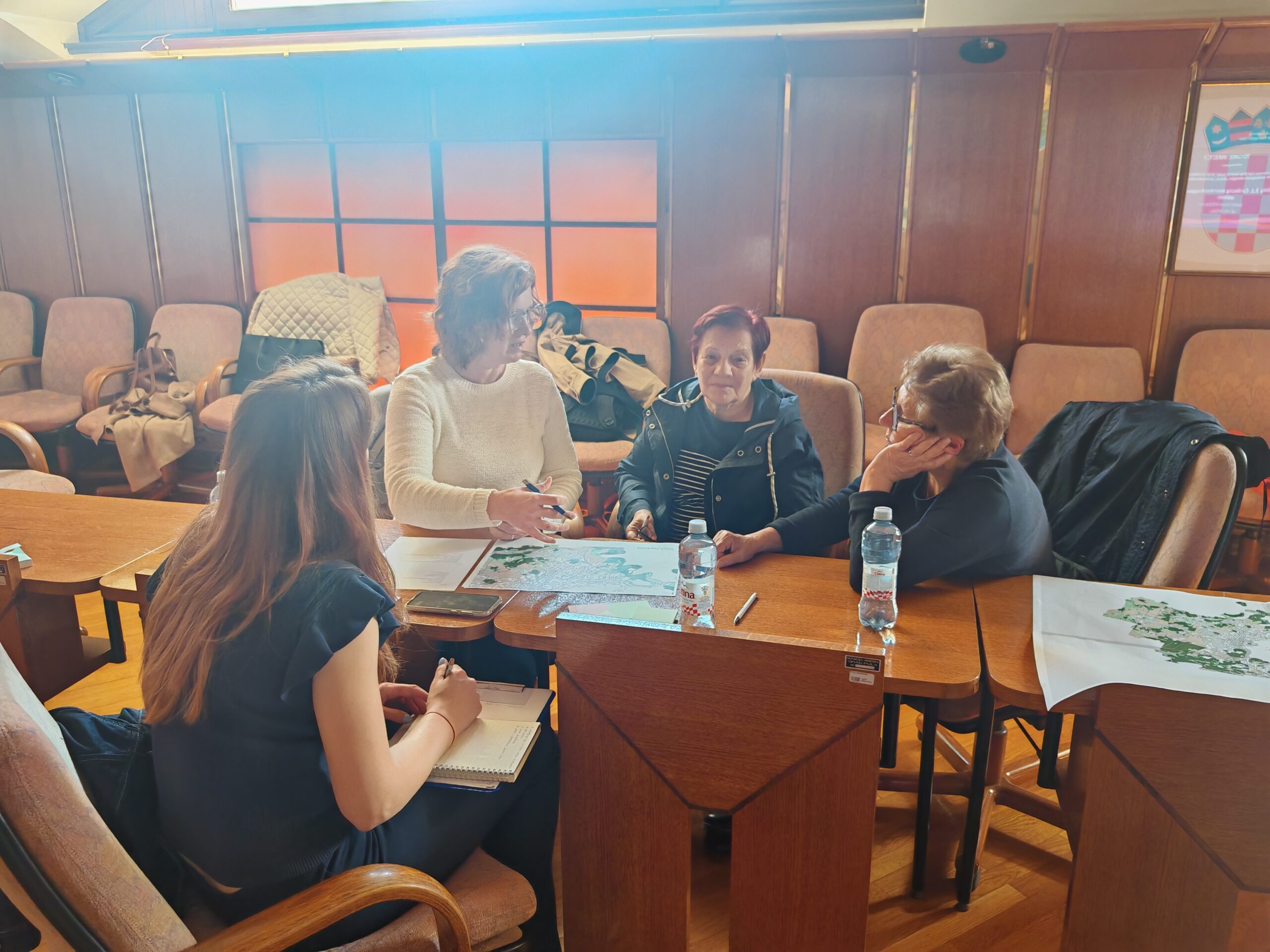
At the conclusion of the workshop, each group presented its findings and recommendations. All collected inputs will now be analysed, categorised, and transformed into structured guidelines that will support the next phases of the TO CARE MED project and inform future stakeholder workshops.
The Co-Design Workshop demonstrated the value of participatory planning, reinforcing the project’s commitment to ensuring that sustainable tourism strategies are developed together with local communities and key stakeholders. Through this collaborative process, TO CARE MED continues to foster innovative approaches that balance tourism development with environmental protection and quality of life in Mediterranean destinations.