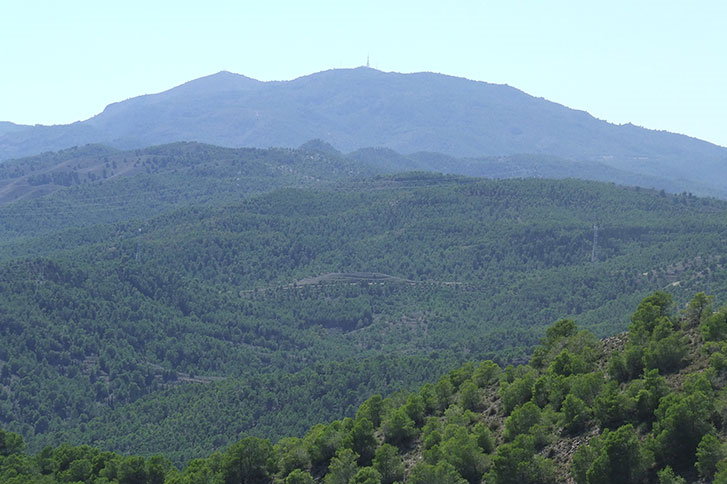

Located just 8 km from the city of Murcia, El Valle & Sierra de Carrascoy stands out as a key natural and cultural asset within the metropolitan region. Spanning nearly 240 km², the area combines Mediterranean ecosystems, geological features, and historical landscapes, forming a complex territory where environmental and human dynamics intersect.
As part of the Natura 2000 network and designated as a Special Protection Area for Birds (ZEPA), the site plays an important role in biodiversity conservation. At the same time, its proximity to the city makes it a highly valued space for recreation, education, and tourism.
Rather than focusing only on existing challenges, this case highlights a broader question: how can such areas be managed in a more forward-looking and coordinated way?
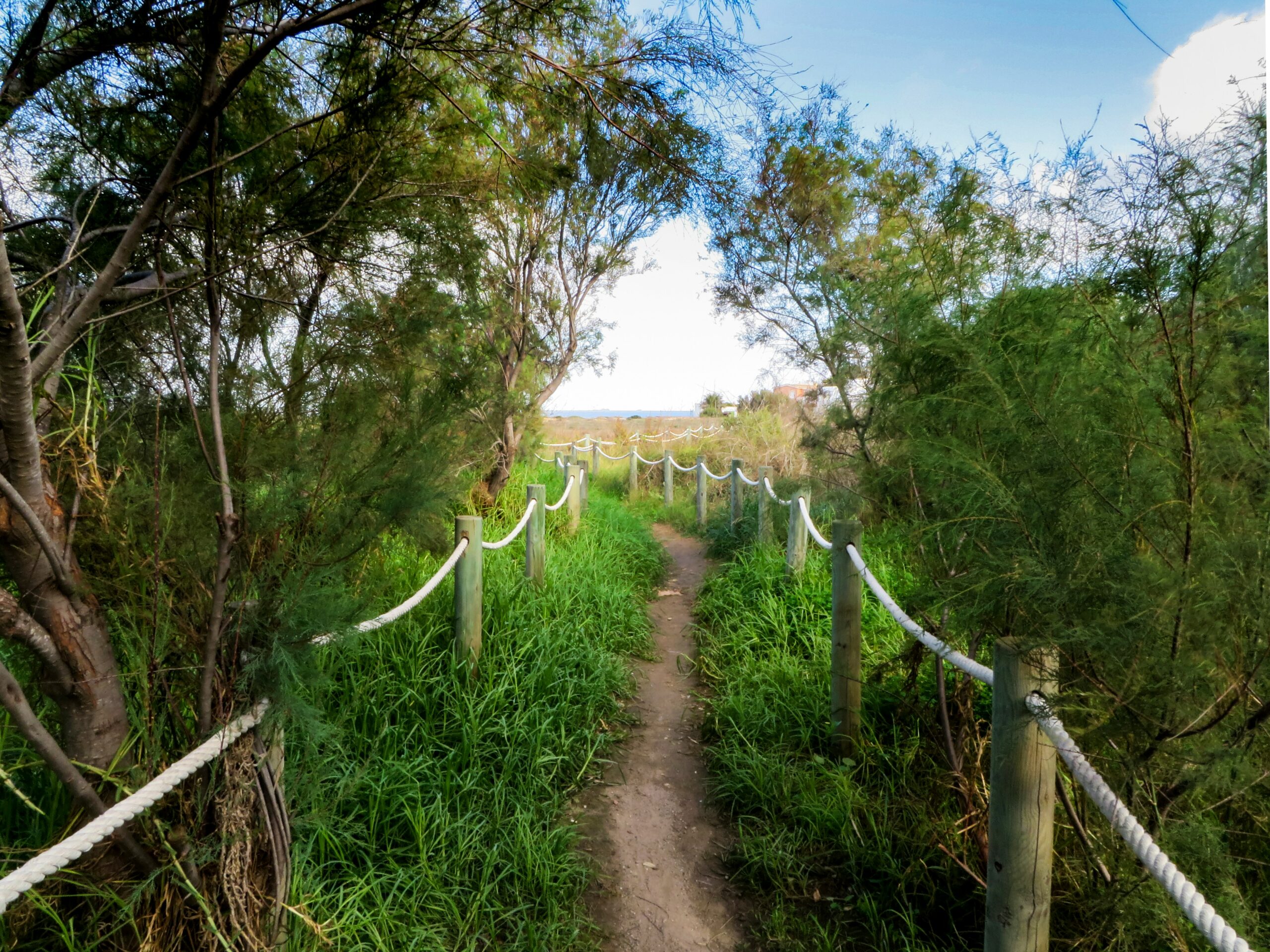
Within the TO CARE MED project, El Valle & Sierra de Carrascoy serves as a pilot area to test and refine new approaches to tourism governance. Central to this process is the Tourism Carrying Capacity Limit (TCCL), a tool designed to support informed decision-making by integrating environmental, social, and cultural factors.
The objective is not only to assess current conditions, but to provide a structured framework for:
- interpreting data in a strategic way
- identifying potential risks and imbalances
- supporting long-term planning processes
What makes this case particularly relevant is its contribution beyond the local scale. The methodologies and insights developed here are part of a wider effort to build shared knowledge across Mediterranean regions facing similar dynamics.
Through collaboration between local stakeholders, technical experts, and project partners, El Valle & Sierra de Carrascoy is helping to define practical approaches that can be adapted and replicated in other contexts.
In this sense, the area is not only a site of natural and cultural value, but also a laboratory for innovation in sustainable tourism — contributing to more resilient and informed models of territorial management across the region.